


 Downloader
 Free FTP
Promote Your Product
Got a product, service, or story to share? Promote it directly to our active community and boost your brand today.
Create an Ad
Publish Bulk Blog Posts
Boost Your Reach! 📝
Have articles, guest posts, or bulk stories to publish? Send your content directly to our editorial team and feature on our platform.
Email Us Your PostsHow Portable Cold Plunge Tubs Transform Recovery for Home AthletesTips
Introduction
Recovery has become just as important as training itself, especially for athletes, fitness enthusiasts, and people building serious home gym setups. In recent years, cold water immersion has moved from elite sports facilities into everyday wellness routines. One of the biggest drivers of this shift is the rise of portable cold plunge tubs, which make professional level recovery accessible at home, without requiring a permanent installation or expensive spa setup.
These compact recovery tools are designed to bring the benefits of traditional cold therapy into a flexible and user-friendly format. Whether you are lifting weights, running long distances, doing high intensity interval training, or simply dealing with everyday physical stress, cold plunge tubs are increasingly being used as a fast and effective recovery method.
The demand for portable cold plunge tubs has also grown alongside the rise of home fitness culture. People are no longer relying solely on gyms for recovery tools. Instead, they are building complete wellness systems at home, often including recovery tubs, saunas, and mobility equipment. This shift has made it easier than ever to maintain performance, reduce soreness, and support long-term physical health.
In this article, we will explore how portable cold plunge tubs work, their benefits, how they compare to commercial cold plunge systems, and why they are becoming a key part of modern home gyms.
Section 1: What Are Portable Cold Plunge Tubs and Why They Matter
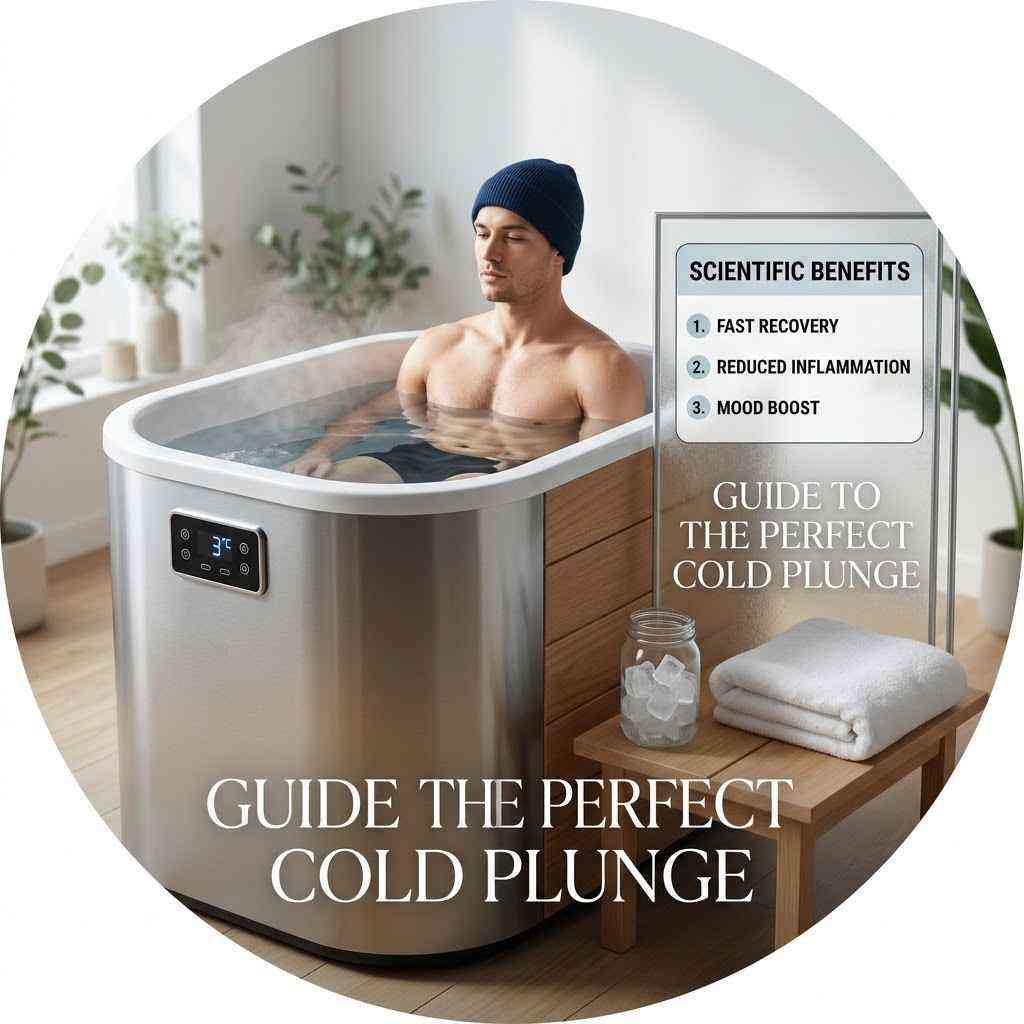
Portable cold plunge tubs are compact, movable containers designed for cold water immersion therapy. Unlike permanent installations, they can be set up indoors or outdoors, filled when needed, and stored or relocated with minimal effort. This flexibility is one of the main reasons they have become so popular among athletes and wellness users.
These tubs are typically built using durable insulated materials that help maintain low water temperatures for longer periods. Some models are simple ice bath setups, while others include advanced cooling systems. The goal is the same, to expose the body to cold water for a controlled amount of time to trigger recovery responses.
A major advantage of portable cold plunge tubs is accessibility. Traditional cold therapy setups required dedicated space and plumbing, often making them available only in professional training centers or luxury spas. Now, anyone can integrate cold therapy into their routine without major renovations.
They are also cost effective compared to full-scale installations. While a commercial cold plunge system can require significant investment, portable options allow users to experience similar benefits at a fraction of the cost. This makes them ideal for athletes building a home-based recovery system or individuals exploring cold therapy for the first time.
In addition, modern designs often include insulation layers, temperature retention covers, and even compatibility with external cooling units, making them more efficient than simple ice baths of the past.
Section 2: Recovery Science Behind Cold Plunge Tubs
The growing popularity of cold plunge tubs is not just based on trend, but also on recovery science. Cold water immersion is widely used in sports medicine because it influences several physiological processes that help the body recover after intense physical activity.
When the body is exposed to cold water, blood vessels constrict in a process called vasoconstriction. This helps reduce swelling and inflammation in muscles and joints that have been stressed during exercise. After leaving the cold environment, blood vessels expand again, encouraging improved circulation and nutrient delivery to tissues.
This cycle is particularly useful for athletes dealing with muscle soreness. Many people use recovery tubs after weight training sessions, long runs, or endurance workouts to reduce delayed onset muscle soreness. While it does not eliminate soreness completely, it can significantly reduce the intensity and duration.
Cold exposure may also help regulate the nervous system. After intense exercise, the body is often in a heightened stress state. Cold immersion can activate the parasympathetic nervous system, which supports relaxation and recovery. This is one reason why athletes often report feeling mentally refreshed after using cold plunge tubs.
Another important factor is consistency. Regular use of portable cold plunge tubs can help athletes maintain training frequency by reducing recovery time between sessions. This is especially important for individuals following structured training programs or preparing for competitions.
However, it is important to use cold therapy correctly. Overuse or excessively long exposure may interfere with muscle adaptation if not balanced properly with training goals. Most experts recommend short sessions at controlled temperatures rather than extreme exposure.
Section 3: Building a Home Gym with the Best Cold Plunge for Home Gym
Home fitness setups have evolved beyond basic weights and cardio equipment. Today, many people aim to build complete performance environments that include training, mobility, and recovery tools. In this context, portable cold plunge tubs are becoming a key feature.
When selecting the best cold plunge for home gym use, several factors matter. Size is important because the tub should comfortably fit your body while still fitting within your available space. Portability also matters, especially if you plan to move it indoors during winter or outdoors during summer.
Insulation quality plays a major role in maintaining consistent temperatures. High quality portable cold plunge tubs are designed to hold cold water for longer periods, reducing the need for constant ice replenishment or energy use.
Some advanced setups integrate a water chiller for cold plunge systems. This allows users to maintain precise temperatures without relying solely on ice. A water chiller can keep water consistently cold, making it ideal for frequent use or shared home gym environments.
Another consideration is hygiene and maintenance. Many modern recovery tubs include filtration systems or easy drain mechanisms, which help keep water clean and reduce maintenance effort. This is especially important if the tub is used regularly after workouts.
From a design perspective, aesthetics also matter for home gyms. Sleek, compact designs are preferred because they integrate well with modern fitness spaces. Many users now treat recovery areas as part of their lifestyle environment rather than purely functional spaces.
By combining training equipment with recovery tools like portable cold plunge tubs, users can create a complete fitness ecosystem at home. This not only improves convenience but also increases long term consistency in training and recovery habits.
Section 4: Portable Cold Plunge Tubs vs Commercial Cold Plunge Systems
While portable cold plunge tubs are becoming increasingly popular, it is useful to understand how they compare to commercial cold plunge systems.
Commercial cold plunge setups are typically found in professional gyms, sports facilities, and wellness centers. These systems are larger, more powerful, and often include advanced temperature control, filtration, and continuous cooling technology. They are designed for high volume usage and can serve multiple users throughout the day.
However, they come with higher installation costs and require dedicated space. Maintenance is also more complex, often requiring professional servicing.
In contrast, portable cold plunge tubs are designed for individual or small group use. They prioritize flexibility, affordability, and ease of setup. While they may not always match the precision of commercial systems, they provide many of the same recovery benefits when used correctly.
One major advantage of portable systems is customization. Users can pair them with a water chiller for cold plunge setups to improve performance and temperature control. This bridges the gap between basic ice baths and professional systems.
Recovery tubs also allow users to control their environment more freely. You can set them up outdoors for a natural experience or place them inside a dedicated wellness room. This adaptability makes them more practical for everyday use.
Ultimately, the choice depends on usage needs. Athletes or facilities with high traffic may prefer commercial cold plunge systems, while individuals building a home gym often find portable cold plunge tubs to be the most efficient and cost effective solution.
Conclusion and Call to Action
Portable cold plunge tubs have reshaped how people approach recovery, making cold therapy more accessible, flexible, and practical than ever before. From reducing muscle soreness and supporting circulation to improving post workout recovery routines, these systems have become a valuable addition to modern fitness lifestyles.
Whether you are building a dedicated home gym or simply looking for a better way to recover after training, the best cold plunge for home gym setups often starts with a portable solution. With options ranging from simple ice baths to advanced systems with a water chiller for cold plunge use, there is now a setup for every budget and fitness level.

 English
 Arabic
 French
 Spanish
 Portuguese
 Deutsch
 Turkish
 Dutch
Dutch
 Italiano
 Russian
 Romaian
 Portuguese (Brazil)
