


 Downloader
 Free FTP
Why Strategic Planning Matters in Modern Commercial Renovation Projects
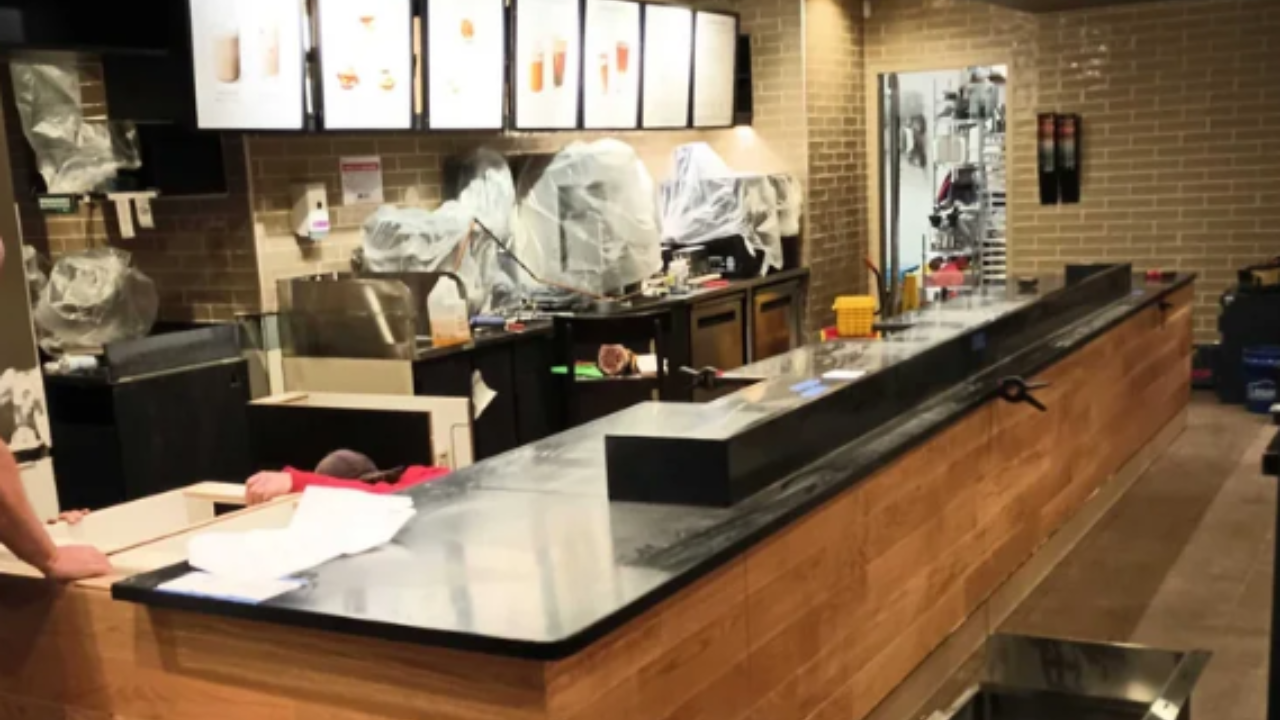
Every successful renovation begins long before the first wall is removed or the first blueprint is finalized. Whether a business owner is updating an aging property, expanding operations, or reimagining a workspace, thoughtful planning is often the difference between a smooth project and a costly mistake.
Commercial renovation projects have become increasingly complex in recent years. Companies are expected to create environments that are functional, attractive, sustainable, and adaptable to future growth. At the same time, budgets, timelines, and operational demands continue to place pressure on property owners and managers.
Understanding how to approach a renovation strategically can help businesses maximize their investment while minimizing disruptions.
The Growing Importance of Commercial Renovations
Buildings play a major role in shaping customer impressions and employee experiences. An outdated space can impact productivity, reduce efficiency, and make it harder to attract both customers and talent.
Organizations across various industries are investing in renovations to:
-
Improve workflow efficiency
-
Enhance customer experiences
-
Support company growth
-
Modernize outdated infrastructure
-
Increase property value
-
Improve energy efficiency
For example, a retail store may redesign its layout to encourage customer engagement, while a professional services firm may create collaborative workspaces that support hybrid teams.
Regardless of industry, renovations are no longer simply cosmetic upgrades. They are strategic business decisions.
Starting With Clear Project Goals
One of the most common reasons renovation projects exceed budgets or timelines is the lack of clearly defined objectives.
Before making design decisions, stakeholders should answer several key questions:
-
What problems need to be solved?
-
How will the space be used in the future?
-
What improvements will provide the highest return on investment?
-
Are there operational challenges that the renovation should address?
Establishing measurable goals helps guide every stage of the project and reduces the likelihood of expensive changes later.
For instance, a growing company may prioritize flexibility and scalability, while a customer-facing business may focus on creating a stronger brand experience.
The Benefits of Integrated Project Delivery
Traditionally, commercial projects involved separate teams for design and construction. While this approach can work, it often creates communication gaps that lead to delays, misunderstandings, and budget overruns.
Many businesses are now turning to design build chicago solutions because they bring architects, designers, engineers, and construction professionals together under one coordinated process.
This integrated model offers several advantages:
Improved Communication
With all project stakeholders working together from the beginning, potential issues can be identified and resolved earlier.
Faster Project Timelines
Collaboration between design and construction teams allows certain phases to overlap, reducing overall project duration.
Better Budget Management
Real-time cost analysis during design helps ensure that plans remain aligned with financial goals.
Reduced Risk
A unified team creates greater accountability and fewer opportunities for costly misunderstandings.
As businesses seek more efficient project delivery methods, integrated approaches continue to gain popularity.
Balancing Functionality and Design
A beautiful space means little if it fails to support daily operations.
Successful renovations strike a balance between aesthetics and functionality. Every design decision should contribute to the overall goals of the business.
Consider an office environment. Open layouts may encourage collaboration, but employees still need quiet areas for focused work. Similarly, retail stores benefit from attractive displays, but customer flow and accessibility remain equally important.
When evaluating design concepts, business owners should focus on:
-
Space utilization
-
Traffic patterns
-
Accessibility requirements
-
Lighting quality
-
Storage needs
-
Technology integration
The most effective renovations create spaces that look impressive while supporting practical business needs.
Understanding Current Workplace Trends
Commercial spaces continue to evolve in response to changing workforce expectations.
Several trends are shaping renovation projects today:
Flexible Workspaces
Businesses increasingly need spaces that can accommodate hybrid work models and changing team structures.
Wellness-Focused Design
Natural lighting, improved air quality, ergonomic furniture, and wellness rooms are becoming common features.
Sustainable Construction
Many organizations are prioritizing environmentally responsible materials and energy-efficient systems.
Technology Integration
Modern workplaces rely heavily on integrated technology for communication, collaboration, and productivity.
Companies that incorporate these trends often create environments that remain relevant for years to come.
The Role of Commercial Remodeling in Business Growth
As organizations evolve, their facilities must evolve as well.
Strategic commercial remodeling chicago projects help businesses adapt to changing market demands while supporting future expansion.
Consider a healthcare practice that experiences rapid growth. Additional treatment rooms, upgraded patient waiting areas, and improved workflow systems may become necessary. Similarly, a restaurant may require renovations to accommodate increased customer traffic.
Commercial remodeling can support growth by:
-
Increasing usable square footage
-
Improving operational efficiency
-
Enhancing customer satisfaction
-
Supporting new technologies
-
Strengthening brand identity
Rather than viewing renovation as an expense, many businesses see it as an investment in long-term success.
Common Challenges During Renovation Projects
Even well-planned renovations encounter obstacles.
Understanding potential challenges allows teams to prepare proactively.
Budget Constraints
Unexpected conditions hidden behind walls or beneath flooring can increase costs.
Operational Disruptions
Businesses often need to remain operational during construction, requiring careful scheduling and coordination.
Regulatory Compliance
Building codes, accessibility requirements, and permit processes must be carefully managed.
Material Delays
Supply chain disruptions can impact project timelines and availability of materials.
Experienced project teams develop contingency plans that help minimize the impact of these challenges.
How Early Collaboration Improves Outcomes
One of the most valuable lessons in commercial construction is that early collaboration saves time and money.
When designers, contractors, engineers, and business stakeholders work together from the beginning, projects benefit from:
-
More accurate budgeting
-
Improved scheduling
-
Better constructability reviews
-
Fewer change orders
-
Stronger communication
This collaborative environment allows teams to identify potential risks before construction begins.
For example, mechanical systems, structural modifications, and technology requirements can be coordinated during design rather than discovered later during construction.
The result is a smoother and more predictable project experience.
Maximizing Return on Investment
Every renovation should contribute measurable value to the organization.
Business owners often evaluate ROI through multiple factors:
Increased Revenue
Improved customer experiences can lead to higher sales and stronger client retention.
Employee Productivity
Modern, functional work environments often support better performance and morale.
Reduced Operating Costs
Energy-efficient systems can lower utility expenses over time.
Higher Property Value
Well-executed renovations can significantly increase market value.
When renovation decisions align with strategic business goals, the long-term benefits frequently outweigh the initial investment.
Planning for the Future
One mistake many organizations make is designing solely for current needs.
Successful renovations consider future growth, emerging technologies, and evolving business requirements.
Questions worth asking include:
-
Will the space accommodate additional employees?
-
Can layouts be reconfigured easily?
-
Are technology systems scalable?
-
Will the design remain relevant in five to ten years?
Future-focused planning helps businesses avoid frequent and costly renovations.
Adaptability has become one of the most important characteristics of modern commercial spaces.
Conclusion
Commercial renovation projects represent significant opportunities for businesses to improve performance, strengthen their brand, and prepare for future growth. However, achieving these goals requires more than attractive finishes and modern furnishings.
The most successful projects begin with strategic planning, clear objectives, and strong collaboration among all stakeholders. By focusing on functionality, flexibility, and long-term value, organizations can create spaces that support both current operations and future ambitions.
As commercial environments continue to evolve, businesses that invest thoughtfully in their facilities position themselves for greater efficiency, stronger customer experiences, and sustainable growth.
FAQs
1. What is the difference between renovation and remodeling?
Renovation typically involves restoring or updating an existing space, while remodeling often includes changing layouts, structures, or functions within the property.
2. How long does a commercial renovation usually take?
Project timelines vary depending on size, complexity, permitting requirements, and construction scope. Smaller projects may take a few weeks, while larger renovations can take several months.
3. Why is early planning important for commercial construction projects?
Early planning helps establish budgets, identify potential challenges, improve scheduling accuracy, and reduce costly changes during construction.

 English
 French
 Spanish
 Portuguese
 Deutsch
 Turkish
 Dutch
Dutch
 Italiano
 Russian
 Romaian
 Portuguese (Brazil)
 Greek
Greek
