


 Downloader
 Free FTP
Why Bed Linen Quality Influences Sleep More Than Most People Realize
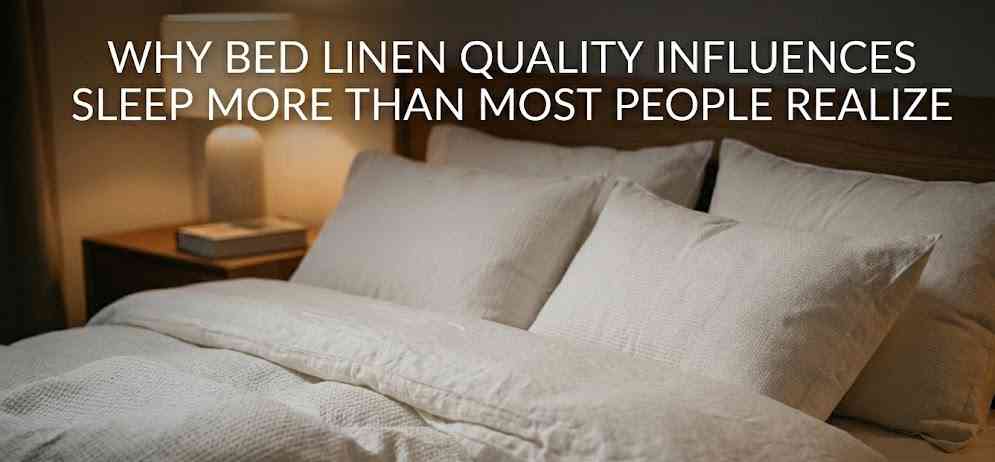
A good night's sleep depends on many factors, including room temperature, lighting, noise levels, and mattress quality. However, one factor that is often overlooked is Bed Linen. Since bedding remains in direct contact with the body throughout the night, its quality can significantly influence comfort, temperature regulation, and overall sleep experience.
In the UAE, where warm temperatures persist for much of the year, creating a comfortable sleeping environment is particularly important. While people often invest considerable time choosing mattresses and bedroom furniture, they may pay less attention to the bedding itself. Yet the fabrics used in bed linen can affect how comfortable a person feels, how well they sleep, and even how refreshed they feel upon waking.
Understanding the connection between bed linen and sleep quality can help individuals make more informed decisions about their sleeping environment.
The Relationship Between Sleep and Bedding
Sleep is one of the most important biological processes for maintaining physical and mental well-being.
Quality sleep supports:
· Physical recovery
· Mental performance
· Emotional balance
· Daily productivity
· Overall wellness
While many factors influence sleep, bedding remains one of the few elements that continuously interacts with the body during rest.
This constant contact makes bedding an important component of sleep comfort.
What Is Bed Linen?
Bed linen refers to the textile products used on a bed.
These commonly include:
· Bed sheets
· Pillowcases
· Duvet covers
· Mattress protectors
· Comforter covers
Although often viewed primarily as decorative items, bed linens serve several practical purposes that contribute to comfort and hygiene.
Why Comfort Matters During Sleep
Comfort plays a major role in sleep quality.
When a person feels uncomfortable during the night, they may experience:
Frequent Movement
Restlessness can interrupt natural sleep cycles.
Difficulty Falling Asleep
Physical discomfort may delay sleep onset.
Interrupted Sleep
Discomfort can lead to waking during the night.
Reduced Sleep Satisfaction
Poor comfort often affects how rested a person feels in the morning.
Because bedding directly affects physical comfort, it can influence each of these factors.
Temperature Regulation and Sleep Quality
The human body naturally adjusts its temperature throughout the sleep cycle.
Maintaining a comfortable sleeping temperature is important for uninterrupted rest.
When bedding traps excessive heat, individuals may experience:
· Night sweats
· Overheating
· Restlessness
· Sleep interruptions
This consideration is particularly relevant in warm climates such as the UAE.
Appropriate bedding materials help support a more balanced sleeping environment.
The Importance of Breathability
Breathability refers to how effectively air circulates through fabric.
Breathable bedding can help:
· Improve airflow
· Reduce heat retention
· Increase sleeping comfort
· Support temperature regulation
Because body temperature naturally fluctuates during sleep, breathable materials are often associated with a more comfortable sleeping experience.
This is one reason many hospitality businesses carefully evaluate bedding materials.
Why Hotels Pay Attention to Bedding
One reason guests often enjoy sleeping in hotels is the emphasis placed on Hotel Bedding.
Hotels understand that sleep quality significantly influences guest satisfaction.
As a result, they often focus on:
Consistency
Guests expect reliable comfort.
Cleanliness
Fresh bedding contributes to positive experiences.
Comfort
Soft and breathable materials improve relaxation.
Durability
Textiles must perform well despite frequent use.
Although residential needs differ from hospitality settings, the principles of comfort remain similar.
Moisture Management and Sleeping Comfort
The body naturally releases moisture during sleep.
Without effective moisture management, bedding may become less comfortable over time.
Proper moisture control can help:
· Maintain freshness
· Improve comfort
· Support airflow
· Reduce feelings of overheating
These factors contribute to creating a more pleasant sleeping environment.
The Psychological Impact of Fresh Bedding
Comfort involves more than physical sensations.
Psychological factors also influence sleep quality.
Fresh bedding often creates feelings of:
· Cleanliness
· Relaxation
· Organization
· Comfort
These positive associations may contribute to a more restful bedtime routine.
Many people report sleeping better after changing their bedding, even when other factors remain unchanged.
Sleep Hygiene and Bed Linen
Sleep hygiene refers to habits and environmental conditions that support healthy sleep.
Bedding plays an important role within this concept.
Properly maintained bed linen helps support:
Clean Sleeping Spaces
Fresh textiles contribute to overall cleanliness.
Comfortable Conditions
Comfort supports relaxation.
Better Sleep Environments
A well-maintained bed encourages restful habits.
Consistent Routines
Regular bedding care becomes part of healthy sleep practices.
As awareness of sleep health grows, many people are paying closer attention to bedding quality.
Common Mistakes People Make When Choosing Bed Linen
Consumers sometimes focus exclusively on appearance when selecting bedding.
However, aesthetics alone do not determine comfort.
Common mistakes include:
Ignoring Climate Conditions
Warm environments require different considerations than cooler climates.
Prioritizing Appearance Over Function
Visual appeal should be balanced with practical performance.
Overlooking Maintenance Requirements
Some materials require different care routines.
Focusing Only on Price
Long-term comfort often depends on multiple factors.
Understanding these considerations can help consumers make more informed choices.
Why Bedding Is Part of Modern Wellness
Interest in wellness has increased significantly in recent years.
Consumers increasingly recognize the importance of:
· Sleep quality
· Stress management
· Healthy routines
· Comfortable living spaces
Because sleep is closely linked to overall well-being, bedding has become part of broader wellness discussions.
This trend is expected to continue as awareness of sleep health grows.
Sustainability and Bedding Choices
Environmental awareness is influencing many consumer purchasing decisions.
Within the textile industry, sustainability has become an increasingly important topic.
Areas of focus include:
Product Longevity
Durable products reduce replacement frequency.
Resource Efficiency
Manufacturing practices continue to evolve.
Responsible Consumption
Consumers increasingly consider long-term value.
Waste Reduction
Long-lasting products help minimize waste.
These considerations are shaping future trends within the bedding industry.
The Future of Bedding and Sleep Comfort
The bedding industry continues to develop new solutions aimed at improving comfort and performance.
Emerging trends include:
Improved Moisture Management
Advanced textiles continue to evolve.
Enhanced Breathability
Manufacturers seek better airflow solutions.
Wellness-Oriented Designs
Sleep quality remains a key focus.
Sustainable Textile Innovation
Environmental responsibility continues to influence development.
These trends reflect growing consumer interest in creating healthier and more comfortable sleeping environments.
Frequently Asked Questions
1. Does bed linen affect sleep quality?
Yes. Bedding influences comfort, airflow, temperature regulation, and overall sleeping conditions.
2. Why is breathable bedding important?
Breathable fabrics help improve airflow and reduce heat buildup during sleep.
3. How often should bed linen be changed?
Frequency varies, but regular changes help maintain cleanliness and comfort.
4. Why do hotels focus on bedding quality?
Comfortable bedding contributes significantly to guest satisfaction and sleep experience.
5. Can bedding affect temperature during sleep?
Yes. Different materials manage heat and airflow differently.
6. What role does bedding play in sleep hygiene?
Clean and comfortable bedding supports a healthier sleeping environment.
7. Why is bedding increasingly associated with wellness?
Because sleep quality is closely connected to physical and mental well-being.
Final Thoughts
While mattresses and pillows often receive the most attention, bed linen remains one of the most influential elements of the sleep environment. Comfort, breathability, cleanliness, and temperature management all contribute to how well a person rests each night. As awareness of sleep health continues to grow, understanding the role of quality bedding can help individuals create more comfortable and supportive sleeping spaces through carefully selected Home Textiles.

 English
 Arabic
 French
 Spanish
 Portuguese
 Deutsch
 Turkish
 Dutch
Dutch
 Italiano
 Russian
 Romaian
 Portuguese (Brazil)
