


 Downloader
 Free FTP
Promote Your Product
Got a product, service, or story to share? Promote it directly to our active community and boost your brand today.
Create an Ad
Publish Bulk Blog Posts
Boost Your Reach! 📝
Have articles, guest posts, or bulk stories to publish? Send your content directly to our editorial team and feature on our platform.
Email Us Your PostsMost Common Car Problems and How to Fix Them Easily
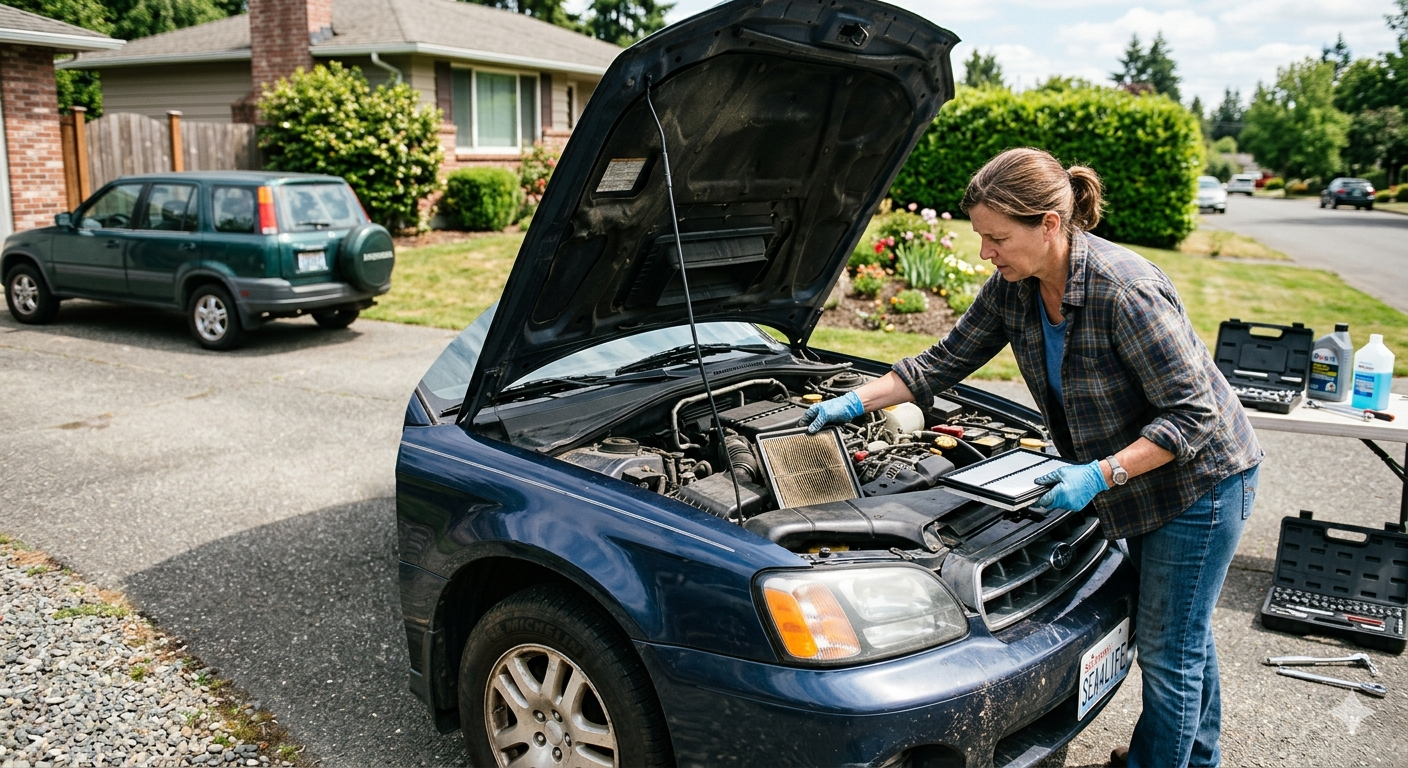
Owning a car is convenient and lets you go on trips whenever you want, but it also comes with the responsibility of maintenance. Even the most reliable cars can begin to have issues after a period of time. The good news is that many certain common car problems have early warning signs, and can be remedied before they cause expensive damage. If you understand a bit about these problems, you can save money, avoid a breakdown, and get more life from your car.
In this guide, we'll discuss the most common car problems and how to fix them easily, along with practical maintenance tips to keep your car running smoothly.
1. Dead Battery
A dead battery is among the reasons why a car may not start. Batteries lose their ability to hold charge as they age, even more in extreme weather condition.
Common Signs:
-
Engine won't start
-
Dim headlights
-
Clicking sound when turning the key
-
Electrical accessories stop working
Easy Fix:
-
Start the car with jumper cables.
-
Inspect the battery terminals for corrosion and clean them.
-
Secure any loose connections.
-
Change out the battery if it is beyond 3-5 years.
Prevention Tip:
Check the battery connections periodically and don’t leave lights or electronics on with the engine off.
2. Flat or Underinflated Tires
Tire issues can affect your gas mileage and the handling of your vehicle, and they can be unsafe. Punctures, under-inflation, and flat areas of tire rubber (called "wear") are common tyre problems.
Common Signs:
-
Vehicle pulls to one side
-
Tire pressure warning light
-
Uneven tire wear
-
Reduced fuel economy
Easy Fix:
-
Inflate the tires to the vehicle manufacturer's recommended pressure.
-
For small punctures use a tire sealant.
-
Change the tyres which are badly damaged or worn out.
Prevention Tip:
Check tire pressure monthly and rotate tires every 8,000 to 10,000 kilometers.
3. Engine Overheating
If you overheat an engine and let it sit, it can be damaged to the point of no return. This issue is often associated with the cooling system.
Common Signs:
-
Temperature gauge in the red zone
-
Steam coming from under the hood
-
Coolant warning light
Easy Fix:
-
Pull over safely and turn off the engine.
-
Allow the engine to cool before opening the hood.
-
Check coolant levels and refill if necessary.
-
Inspect for coolant leaks.
Prevention Tip:
Check coolant level often and maintain cooling system at the recommended intervals of the vehicle manufacturer.
4. Brake Problems
Brakes are the most important safety system in a vehicle. Worn brake pads or other brake components can reduce braking performance.
Common Signs:
-
Squealing or grinding noises
-
Vibrations while braking
-
Soft brake pedal
-
Increased stopping distance
Easy Fix:
-
Replace worn brake pads.
-
Check brake fluid levels.
-
Have damaged rotors resurfaced or replaced.
Prevention Tip:
Schedule routine brake inspections and address unusual sounds immediately.
5. Check Engine Light
The service engine soon light can mean something as minor as a loose gas cap or as serious as a crumbling engine.
Common Signs:
-
Illuminated check engine light
-
Rough engine performance
-
Reduced fuel efficiency
Easy Fix:
-
Tighten the gas cap if it's loose.
-
Use an OBD-II scanner to identify the error code.
-
Replace faulty sensors if necessary.
Prevention Tip:
Never ignore the check engine light. Early diagnosis can prevent costly repairs.
6. Faulty Spark Plugs
Spark plugs burn the engine's fuel. They dwindle in number and fouling·(putting out fire) and also if heat shield is overheat also if dirt dirt etc., dirt dirt etc.
Common Signs:
-
Engine misfires
-
Difficulty starting the car
-
Poor fuel economy
-
Rough idling
Easy Fix:
-
Replace old spark plugs with manufacturer-recommended replacements.
-
Inspect ignition coils if problems persist.
Prevention Tip:
Replace spark plugs at recommended service intervals.
7. Poor Fuel Efficiency
If your car is consuming more fuel than usual, several issues may be responsible.
Common Causes:
-
Dirty air filter
-
Underinflated tires
-
Worn spark plugs
-
Poor driving habits
Easy Fix:
-
Replace the air filter.
-
Maintain proper tire pressure.
-
Perform routine engine maintenance.
Prevention Tip:
Drive smoothly and avoid excessive idling or rapid acceleration.
8. Alternator Failure
The alternator charges the battery and runs the electrical systems when the engine is on.
Common Signs:
-
Battery warning light
-
Flickering headlights
-
Dead battery despite recent replacement
-
Electrical failures
Easy Fix:
-
Test the alternator output.
-
Replace worn belts.
-
Install a new alternator if necessary.
Prevention Tip:
Inspect the charging system during routine maintenance.
9. Worn Windshield Wipers
Poor visibility during rain can create dangerous driving conditions.
Common Signs:
-
Streaks on the windshield
-
Squeaking noises
-
Cracked wiper blades
Easy Fix:
-
Replace worn wiper blades.
-
Clean the windshield regularly.
Prevention Tip:
Replace windshield wipers every 6–12 months.
10. Transmission Problems
Transmission issues can affect gear shifting and vehicle performance.
Common Signs:
-
Delayed gear changes
-
Slipping gears
-
Burning smell
-
Transmission fluid leaks
Easy Fix:
-
Check and refill transmission fluid.
-
Replace old transmission fluid according to service recommendations.
-
Seek professional diagnosis for major issues.
Prevention Tip:
Follow the manufacturer's transmission maintenance schedule.
11. Air Conditioning Not Working
If your air conditioning isn't working, it can make for a pretty uncomfortable drive, particularly on warm days.
Common Signs:
-
Warm air from vents
-
Weak airflow
-
Unusual noises
Easy Fix:
-
Recharge refrigerant levels.
-
Replace clogged cabin air filters.
-
Inspect for leaks.
Prevention Tip:
Run the air conditioner periodically, even during colder months.
12. Oil Leaks
Oil leaks can lead to low oil levels and serious engine damage if left untreated.
Common Signs:
-
Oil spots under the vehicle
-
Burning oil smell
-
Low oil warning light
Easy Fix:
-
Identify the source of the leak.
-
Replace damaged gaskets or seals.
-
Maintain proper oil levels until repairs are completed.
Prevention Tip:
Regularly inspect the engine bay and parking area for signs of leaks.
Conclusion
Knowing how to spot and handle car problems that arise frequently—and are easy to take care of—can make a big difference for drivers in terms of time and money. Things like dead batteries, flat tires, overheating engines, brake wear, and transmission troubles frequently start with minor warning signs. By promptly addressing small problems before they become big ones, vehicle owners can prevent expensive repairs and keep their vehicles running reliably.
Proactive maintenance remained the strongest defense against unexpected failure. Checking fluid levels, monitoring tire wear, changing worn parts and following the service schedule of the vehicle manufacturer will help to keep your vehicle safe, efficient and dependable on the road for a long time. Some attention to a little trouble today will save a heap of trouble on the road tomorrow.

 English
 Arabic
 French
 Spanish
 Deutsch
 Turkish
 Dutch
Dutch
 Italiano
 Russian
 Romaian
 Portuguese (Brazil)
 Greek
Greek
