


 Downloader
 Free FTP
Promote Your Product
Got a product, service, or story to share? Promote it directly to our active community and boost your brand today.
Create an Ad
Publish Bulk Blog Posts
Boost Your Reach! 📝
Have articles, guest posts, or bulk stories to publish? Send your content directly to our editorial team and feature on our platform.
Email Us Your PostsSarpagandha in Ayurveda: Benefits, Uses and Precautions
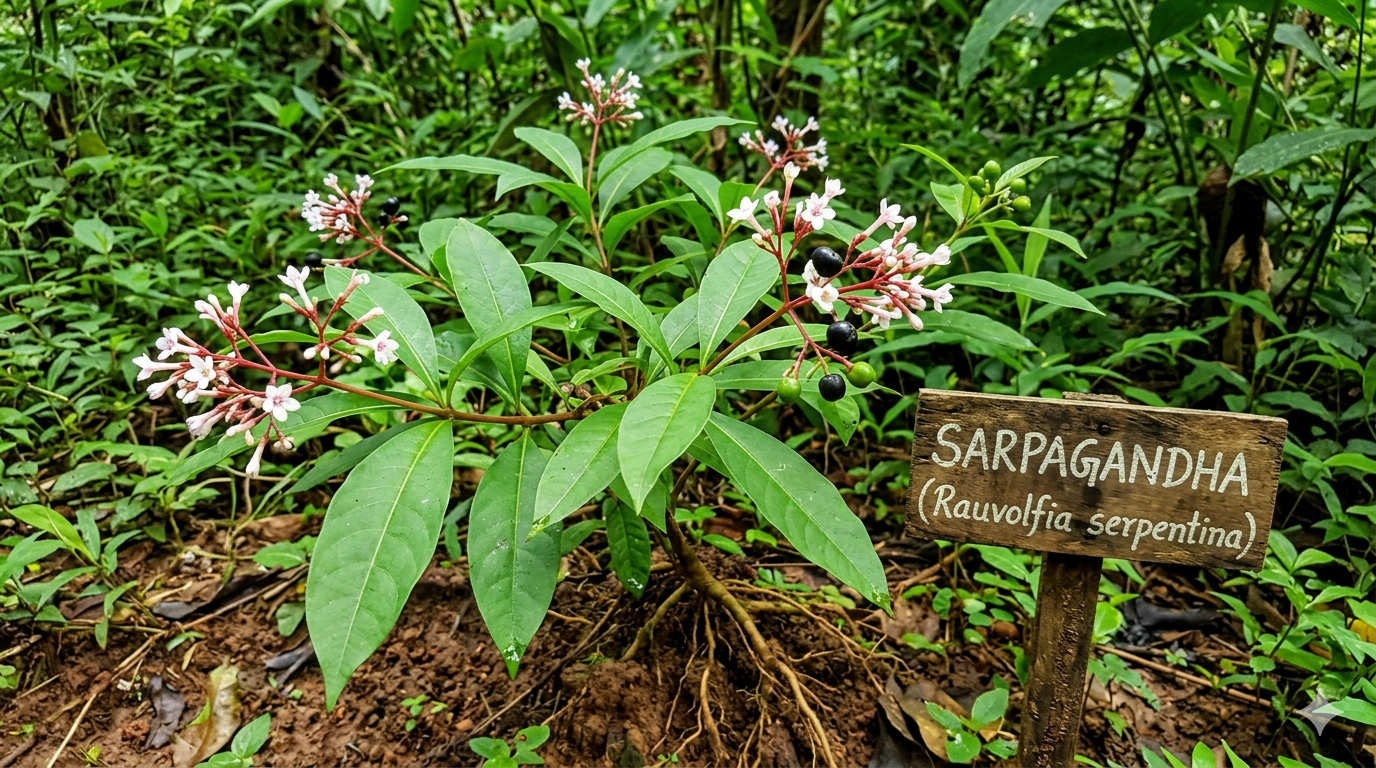
Sarpagandha is one of the most valued medicinal herbs in Ayurveda, known for its remarkable therapeutic properties and long history of traditional use. Scientifically known as Rauwolfia serpentina, this herb has been utilized for centuries to support cardiovascular health, promote restful sleep, and help maintain mental calmness. Native to the Indian subcontinent, sarpagandha is particularly recognized for its roots, which contain powerful bioactive compounds.
In Ayurvedic medicine, sarpagandha is considered beneficial for balancing Vata and Pitta doshas. Due to its calming and soothing nature, it is often included in herbal formulations designed to support overall wellness. This article explores the benefits, traditional uses, dosage recommendations, and precautions associated with sarpagandha.
What Is Sarpagandha?
Sarpagandha is a perennial evergreen shrub belonging to the Apocynaceae family. The herb derives its name from the Sanskrit words "Sarpa" (snake) and "Gandha" (smell), referring to its snake-like roots. It grows naturally in India, Nepal, Sri Lanka, and other parts of Southeast Asia.
The roots of sarpagandha contain several alkaloids, including reserpine, ajmaline, serpentine, and yohimbine. These naturally occurring compounds contribute to the herb's medicinal properties and have made sarpagandha a respected ingredient in traditional healing systems.
Ayurvedic Properties of Sarpagandha
According to Ayurveda, sarpagandha possesses the following characteristics:
-
Rasa (Taste): Tikta (Bitter) and Katu (Pungent)
-
Guna (Quality): Laghu (Light) and Ruksha (Dry)
-
Virya (Potency): Ushna (Hot)
-
Vipaka (Post-Digestive Effect): Katu (Pungent)
These properties make sarpagandha useful for managing imbalances associated with Vata and Pitta doshas while promoting mental and physical relaxation.
Health Benefits of Sarpagandha
1. Supports Healthy Blood Pressure Levels
One of the most well-known traditional uses of sarpagandha is supporting healthy blood pressure levels. The herb has been used in Ayurvedic formulations for generations to promote cardiovascular wellness and healthy circulation.
Its natural compounds help maintain proper vascular function, making it a popular ingredient in herbal preparations focused on heart health.
2. Promotes Restful Sleep
Sarpagandha is widely recognized for its calming effects on the nervous system. Individuals who experience occasional sleeplessness or restlessness may benefit from its soothing properties.
Traditional Ayurvedic practitioners often recommend sarpagandha as part of a nighttime wellness routine to encourage relaxation and support healthy sleep patterns.
3. Helps Manage Stress and Mental Tension
Modern lifestyles often expose individuals to significant mental and emotional stress. Sarpagandha is valued for its ability to promote a sense of calm and emotional balance.
The herb may help reduce feelings of nervousness and support a relaxed mental state, making it beneficial for overall emotional well-being.
4. Supports Nervous System Function
The alkaloids present in sarpagandha have traditionally been associated with nervous system support. Regular use under professional guidance may help maintain healthy neurological function and contribute to mental wellness.
5. Encourages Relaxation
Sarpagandha's natural calming properties help relax the body and mind. This makes it a valuable herb for individuals seeking natural support for maintaining composure and mental clarity.
6. Supports Heart Health
By helping maintain healthy blood pressure and circulation, sarpagandha may contribute to overall cardiovascular health. Proper blood flow and heart function are essential components of long-term wellness.
7. Rich in Bioactive Compounds
Sarpagandha contains several beneficial alkaloids that have been studied for their physiological effects. These compounds are largely responsible for the herb's traditional medicinal applications.
Traditional Uses of Sarpagandha in Ayurveda
For centuries, Ayurvedic practitioners have incorporated sarpagandha into various herbal formulations. Traditional uses include:
-
Supporting healthy blood pressure
-
Promoting relaxation and calmness
-
Encouraging restful sleep
-
Supporting nervous system health
-
Assisting in stress management
-
Enhancing overall well-being
Its versatility has made sarpagandha an important herb in classical Ayurvedic medicine.
How to Use Sarpagandha
Sarpagandha Powder
The powdered root is one of the most commonly used forms of sarpagandha. It can be mixed with warm water, honey, or milk according to traditional Ayurvedic practices.
Capsules and Tablets
Many individuals prefer capsules or tablets because they provide convenience and standardized dosage.
Herbal Formulations
Sarpagandha is often combined with other Ayurvedic herbs to create balanced formulations targeting specific wellness goals.
Recommended Dosage
The appropriate dosage of sarpagandha depends on several factors, including age, health condition, and individual constitution.
Because sarpagandha contains potent active compounds, it should always be consumed according to professional recommendations. Self-medication is not advisable.
Consulting an Ayurvedic practitioner or healthcare provider is the best way to determine the right dosage for your specific needs.
Safety Precautions
Although sarpagandha offers numerous potential benefits, certain precautions should be followed.
Seek Professional Guidance
Always consult a healthcare professional before beginning any herbal supplement, especially if you have existing medical conditions.
Use Recommended Dosages Only
Excessive intake of sarpagandha may increase the likelihood of adverse effects. Follow dosage instructions carefully.
Pregnancy and Breastfeeding
Pregnant and breastfeeding women should avoid using sarpagandha unless specifically advised by a qualified healthcare provider.
Monitor Blood Pressure
Individuals who already have low blood pressure or are taking blood pressure medications should exercise caution when using sarpagandha.
Avoid Long-Term Unsupervised Use
Extended use should only occur under the supervision of a qualified healthcare practitioner.
Possible Side Effects of Sarpagandha
While many individuals tolerate sarpagandha well when used appropriately, some may experience side effects such as:
-
Drowsiness
-
Fatigue
-
Dizziness
-
Nasal congestion
-
Digestive discomfort
-
Low blood pressure
If any unusual symptoms occur, discontinue use and seek medical advice.
Who Should Avoid Sarpagandha?
Sarpagandha may not be suitable for:
-
Pregnant women
-
Breastfeeding mothers
-
Individuals with low blood pressure
-
People taking antidepressant medications
-
Individuals with certain cardiovascular conditions
-
Anyone with known allergies to herbal products
Professional medical guidance is essential before using sarpagandha in these situations.
Conclusion
Sarpagandha remains one of Ayurveda's most respected herbs due to its ability to support cardiovascular health, promote relaxation, encourage restful sleep, and assist in maintaining emotional balance. Its rich history of traditional use and valuable medicinal properties make it an important herb in holistic wellness practices.
However, like any powerful herbal remedy, sarpagandha should be used responsibly and under professional guidance. Proper dosage, awareness of potential side effects, and adherence to safety precautions are essential for maximizing benefits while minimizing risks.
If you are looking for premium-quality Ayurvedic products and trusted herbal wellness solutions, Naturecares Ayurveda offers a wide range of carefully formulated products designed to support a healthy and balanced lifestyle through the wisdom of Ayurveda.

 Arabic
 French
 Spanish
 Portuguese
 Deutsch
 Turkish
 Dutch
Dutch
 Italiano
 Russian
 Romaian
 Portuguese (Brazil)
 Greek
Greek
