


 Downloader
 Free FTP
Promote Your Product
Got a product, service, or story to share? Promote it directly to our active community and boost your brand today.
Create an Ad
Publish Bulk Blog Posts
Boost Your Reach! 📝
Have articles, guest posts, or bulk stories to publish? Send your content directly to our editorial team and feature on our platform.
Email Us Your PostsDo I Really Need a Blast Valve in My Home Bunker?
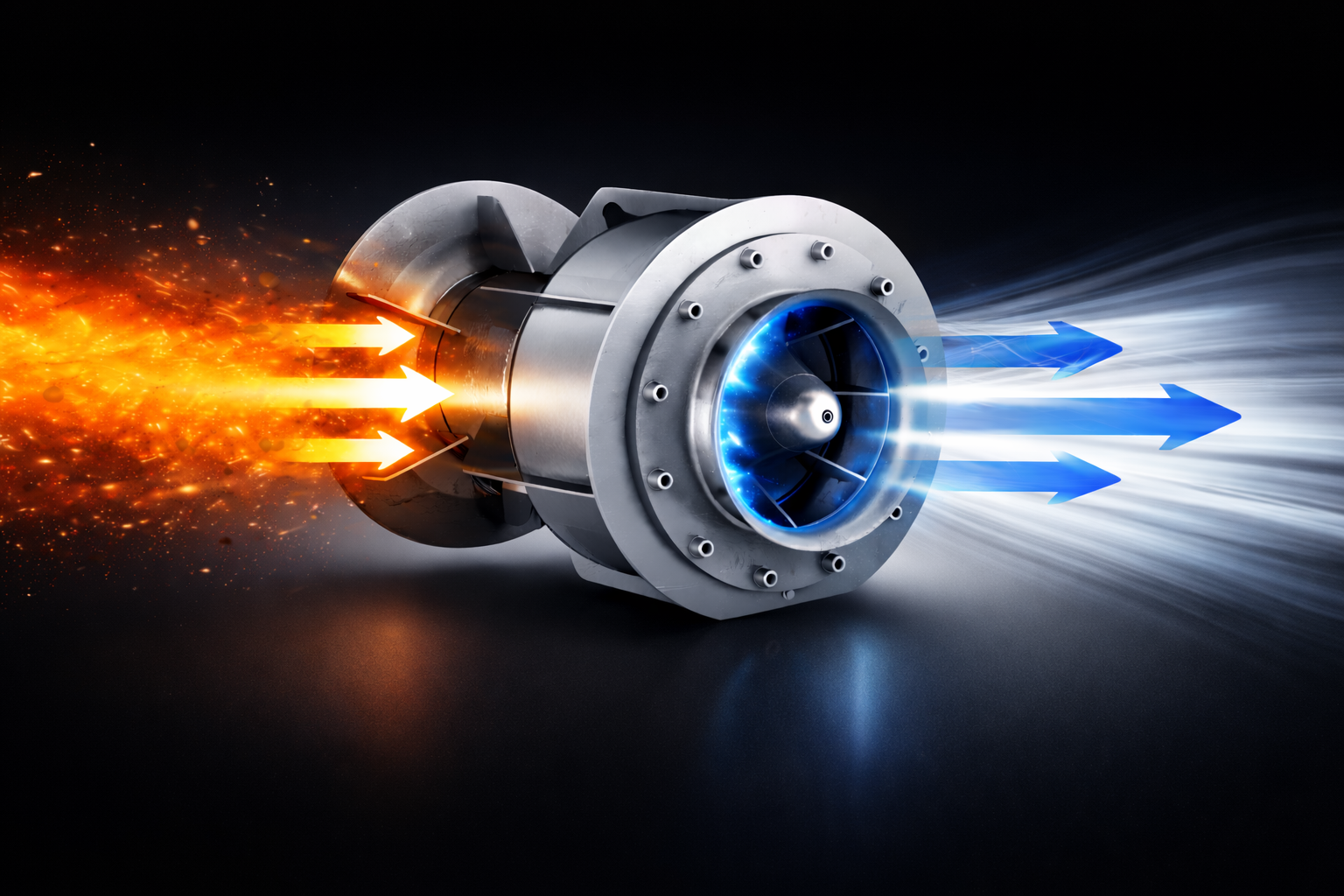
A maintenance team in an offshore processing plant once watched live as a sudden vessel rupture sent a pressure pulse down a ventilation shaft. A nearby refuge room remained intact because a purpose-built pressure isolation device snapped closed in milliseconds, preventing the shockwave from entering the occupied space. That real-world incident highlights the question many private bunker owners ask: do I really need a blast valve in my home bunker?
What blast valves are
A blast valve is a specialized pressure-control device designed to protect enclosed spaces from shockwaves and rapid overpressure events. Unlike standard dampers or gates used to direct airflow, blast valves combine high-strength construction with fast-acting closure mechanics to isolate rooms from transient pressure loads.
In industrial and military settings, blast valves protect personnel and critical equipment by preventing high-pressure pulses from propagating through HVAC ducts, intake lines, or ventilation openings. For residential bunkers, a correctly specified blast valve for bunker applications prevents shockwave entry while still allowing normal ventilation when not under threat.
How blast valves work under explosion pressure
Blast valves operate on a simple principle: remain open for normal airflow, then close automatically when a pressure differential exceeds a set threshold.
-
Detection and actuation: Rapid pressure rise or reverse flow forces trigger the valve’s closure mechanism—this can be mass-balanced shutters, spring-loaded plates, or inertia-operated vanes.
-
Shockwave Handling: The valve must absorb impulse energy and lock securely to stop the shockwave and follow-on pressure oscillations.
-
Airflow control: After the event, valves are designed to re-open safely or be reset manually, restoring ventilation without structural damage to ducts.
-
Redundancy: Many designs include multi-stage seals to handle repeated pressure spikes and prevent leakage during sustained overpressure.
Key features of blast valves
Choose valves with proven engineering attributes rather than marketing claims. Core features to evaluate include:
-
Pressure resistance: Rated to withstand specific overpressure and impulse (psi-ms), matching your threat profile.
-
Structural strength: Robust housings and internal members (usually high-grade steel or alloy) to resist deformation.
-
Corrosion resistance: Surface treatments or materials suitable for the local climate and HVAC environment.
-
Durability: Design life, fatigue resistance, and ability to withstand multiple shock cycles.
-
Sealing efficiency: Multi-lip or gasketed seals to limit leakage under differential pressure.
-
Airflow management: Low steady-state pressure drop for normal HVAC operation, balanced with fast closure characteristics.
-
Safety performance: Fail-safe behavior that prevents accidental entrapment of occupants or interruption of life-sustaining ventilation.
Where blast valves are used
Blast valves are common wherever pressure management and occupant protection overlap:
-
Bunkers and shelters: Primary application—protect living areas and escape routes. Use blast valve for bunker-specific rating and compatibility with shelter HVAC.
-
Industrial facilities: Protect control rooms, labs, and cleanrooms from accidental explosions or process upsets.
-
Defense infrastructure: Fortified buildings, munitions stores, and hardened shelters.
-
HVAC systems: Retrofit or integrate blast valve HVAC components into ventilation ducts to preserve normal airflow while providing protection.
-
Power plants and hazardous environments: Turbine halls, fuel-handling rooms, and chemical plants where pressure events can occur.
Factors affecting blast valve price in India
Blast valve price varies widely because these are engineered safety devices—not commodity items. Key pricing drivers include:
-
Material quality: Higher-grade steels, stainless alloys, or coatings increase cost but improve longevity.
-
Pressure rating: Valves rated for higher overpressure and impulse command premium manufacturing.
-
Valve design complexity: Inertia-based, spring-balanced, or hydraulic-actuated mechanisms have different costs.
-
Custom engineering requirements: Non-standard sizes, duct interfaces, or architectural integration add design and fabrication expense.
-
Certification standards: Third-party testing, MIL-spec, or national certifications raise price but validate performance.
-
Installation environment: Marine atmospheres, corrosive sites, or remote locations require specialized finishing and logistics.
-
Manufacturing precision: Tight tolerances and high-quality welding/testing increase production cost.
-
Size and airflow capacity: Larger valves for high-CFM HVAC systems are more expensive.
Expect a range in India from relatively modest costs for small, tested units to significantly higher figures for custom-rated, certified systems. Always compare spec sheets—price alone is a poor proxy for protection.
How to choose blast valve manufacturers in India
When selecting suppliers, evaluate technical competence and long-term support, not just delivery timelines.
-
Industry experience: Prefer vendors with track records supplying industrial, defense, or shelter projects.
-
Engineering standards: Look for clear ratings (overpressure, impulse, leakage) and detailed test reports.
-
Product testing: Third-party blast or pressure testing is essential for validation.
-
Compliance certifications: ISO, local regulatory approvals, or military standards where applicable.
-
Customization capability: Ability to adapt interfaces, sizes, or actuation to your HVAC and architectural needs.
-
Technical support: On-site advisory, installation supervision, and commissioning help avoid integration errors.
-
Long-term reliability: Spare parts availability, maintenance contracts, and documented failure modes.
Avoid buying from low-cost manufacturers who can’t substantiate performance with testing or certification.
Common mistakes to avoid when selecting blast valve solutions
Avoid these frequent errors that undermine protection:
-
Choosing based only on price: Under-specified valves may fail when needed most.
-
Ignoring pressure ratings: Match ratings to credible threat scenarios, not guesswork.
-
Poor compatibility with HVAC systems: Oversized backpressure or excessive pressure drop can cripple ventilation.
-
Overlooking maintenance requirements: Seals, springs, and moving parts need inspection and replacement intervals.
-
Using incorrect specifications for high-risk facilities: Civil shelters and defense installations need certified, tested solutions—don’t substitute standard dampers or a simple Blast Gate component for a true blast valve.

 Arabic
 French
 Spanish
 Portuguese
 Deutsch
 Turkish
 Dutch
Dutch
 Italiano
 Russian
 Romaian
 Portuguese (Brazil)
 Greek
Greek
