


 Downloader
 Free FTP
Promote Your Product
Got a product, service, or story to share? Promote it directly to our active community and boost your brand today.
Create an Ad
Publish Bulk Blog Posts
Boost Your Reach! 📝
Have articles, guest posts, or bulk stories to publish? Send your content directly to our editorial team and feature on our platform.
Email Us Your PostsViking Axe Guide History Uses and Buying Tips
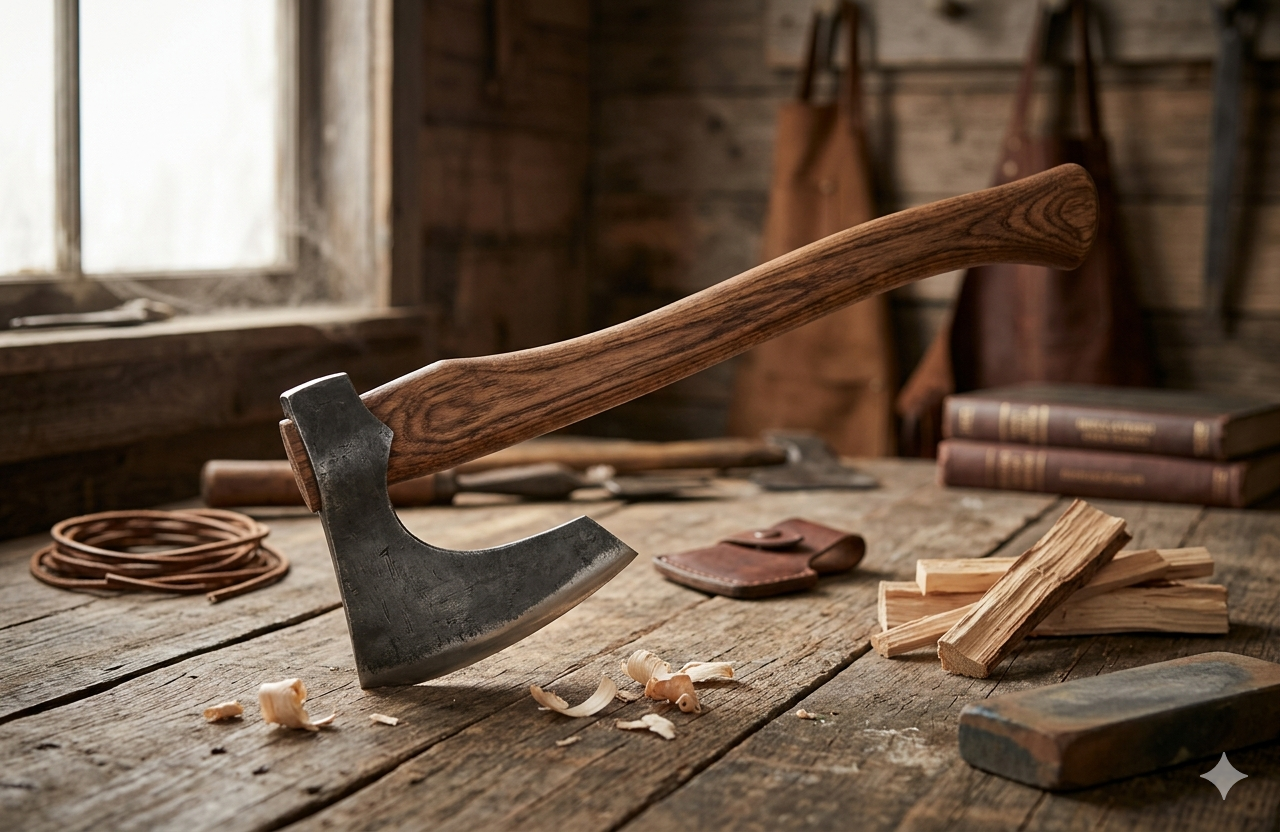
The viking axe is one of the most recognizable weapons and tools from the Viking Age. Known for its distinctive design, versatility, and historical significance, the Viking axe has captured the interest of historians, collectors, outdoor enthusiasts, and craftsmen around the world. While many people associate Vikings with swords, the axe was actually one of the most commonly used tools and weapons during the Viking era.
Today, a Viking axe is appreciated not only as a historical artifact but also as a decorative piece, camping tool, reenactment weapon, and collector’s item. Its unique blend of functionality and cultural heritage makes it a favorite among those who admire Norse history and craftsmanship.
In this article, we will explore the history of the Viking axe, its different types, modern uses, and important factors to consider when purchasing one.
The History of the Viking Axe
The Viking Age lasted roughly from the late 8th century to the 11th century. During this period, Vikings traveled across Europe, establishing trade routes, settlements, and legendary reputations as warriors.
The axe was a vital part of Viking life. Unlike swords, which were expensive and often reserved for wealthy individuals, axes were affordable and practical. Many Vikings used the same axe for daily tasks such as chopping wood, building homes, and farming. During conflicts, these tools could also serve as effective weapons.
Over time, Viking blacksmiths developed specialized axe designs for combat. These weapons became known for their sharp edges, lightweight construction, and impressive cutting power.
Why the Viking Axe Was So Effective
Several characteristics made the Viking axe highly effective in battle and daily life:
Lightweight Design
Many Viking axes featured thin yet strong axe heads. This reduced overall weight while maintaining excellent cutting performance.
Extended Reach
Certain Viking battle axes had longer handles, allowing warriors to strike from a safer distance.
Versatility
A Viking axe could be used for both practical tasks and combat situations, making it an essential tool for survival.
Ease of Production
Compared to swords, axes required less metal and were easier to manufacture, making them accessible to a larger portion of the population.
Different Types of Viking Axes
Not all Viking axes were identical. Various designs emerged to serve different purposes.
Bearded Viking Axe
The bearded axe is one of the most famous Viking axe designs. It features a lower blade extension that resembles a beard.
Benefits include:
-
Increased cutting surface
-
Better control during woodworking
-
Ability to hook shields or objects
This style remains popular among reenactors and collectors.
Dane Axe
The Dane axe was a larger two-handed weapon used primarily in warfare.
Key features include:
-
Long wooden handle
-
Broad cutting edge
-
Powerful striking capability
Elite Viking warriors often carried Dane axes into battle.
Hand Axe
Smaller Viking hand axes were used for everyday tasks and personal defense.
These axes were ideal for:
-
Wood chopping
-
Camp work
-
Hunting activities
-
General utility tasks
Throwing Axe
Some Vikings reportedly used lightweight axes designed for throwing. While not as common as hand-held combat axes, they provided an additional tactical advantage.
The Craftsmanship Behind a Viking Axe
One reason the Viking axe remains admired today is its craftsmanship.
Traditional Viking blacksmiths carefully forged axe heads using iron and steel. Many high-quality modern reproductions follow similar forging techniques to preserve authenticity.
Important craftsmanship features include:
Forged Steel Construction
Forged steel provides durability, strength, and long-lasting edge retention.
Wooden Handles
Traditional handles are often made from hardwoods such as:
-
Ash
-
Hickory
-
Oak
These woods offer excellent shock absorption and durability.
Hand-Finished Details
Many premium Viking axes feature:
-
Engraved patterns
-
Norse symbols
-
Rune carvings
-
Decorative leather wraps
These details enhance both visual appeal and historical authenticity.
Modern Uses of a Viking Axe
Although the Viking Age ended centuries ago, the Viking axe continues to serve many purposes.
Historical Reenactments
Historical enthusiasts use Viking axes during reenactment events to recreate authentic Viking battles and daily life activities.
Outdoor Activities
Many campers and survivalists appreciate the practicality of a Viking axe for:
-
Chopping firewood
-
Clearing trails
-
Building shelters
-
Camp maintenance
Collecting
Collectors often seek Viking axes because of their connection to Norse history and impressive craftsmanship.
Decorative Displays
A beautifully crafted Viking axe can become a striking centerpiece in:
-
Homes
-
Offices
-
Man caves
-
Historical collections
Training and Sports
Some organizations host axe-throwing competitions and historical martial arts training sessions where Viking-style axes are commonly used.
How to Choose the Right Viking Axe
If you are considering purchasing a Viking axe, several factors should influence your decision.
Determine Your Purpose
Ask yourself how you plan to use the axe:
-
Collection
-
Decoration
-
Outdoor work
-
Reenactment
-
Training
Your intended purpose will determine the ideal size and design.
Check Blade Material
Look for quality materials such as:
-
High-carbon steel
-
Forged steel
-
Damascus steel
These materials generally offer superior durability and cutting performance.
Evaluate Handle Quality
A strong hardwood handle contributes significantly to safety and longevity.
Inspect for:
-
Solid construction
-
Smooth finish
-
Secure axe head attachment
Consider Authenticity
Collectors often prefer axes inspired by historical Viking finds and archaeological evidence.
Authentic design details can significantly increase the value and appeal of a Viking axe.
Balance and Weight
An axe should feel comfortable in your hands. Excessive weight may reduce control, while poor balance can affect performance.
Caring for Your Viking Axe
Proper maintenance helps preserve your investment.
Clean After Use
Remove dirt, moisture, and debris after every use.
Prevent Rust
Apply a light coat of protective oil to the blade regularly.
Store Properly
Keep your Viking axe in a dry environment away from excessive humidity.
Sharpen Carefully
Maintain a sharp edge using appropriate sharpening tools and techniques.
Routine care can significantly extend the lifespan of your axe.
Why Viking Axes Remain Popular Today
The enduring popularity of the Viking axe stems from its unique combination of history, functionality, and craftsmanship.
People are drawn to Viking culture because it represents exploration, resilience, and adventure. The Viking axe serves as a physical connection to that fascinating period of history.
Modern manufacturers have embraced this interest by creating high-quality reproductions that blend traditional designs with contemporary materials and manufacturing methods.
As a result, Viking axes continue to attract historians, collectors, outdoor enthusiasts, and anyone who appreciates finely crafted tools.
Find Quality Viking Axes Online
If you are looking for a well-crafted Viking axe, Malee Cut and Co offers a wide selection of designs inspired by traditional Norse craftsmanship. Their collection includes decorative pieces, functional axes, and handcrafted options suitable for collectors and enthusiasts alike. Whether you are expanding your collection or searching for a unique gift, you can explore their Viking axe collection by using this link: Click here
Conclusion
The viking axe remains one of the most iconic symbols of Norse heritage and warrior culture. From its practical origins as a daily tool to its legendary status as a battlefield weapon, the Viking axe has earned a lasting place in history. Today, it continues to appeal to collectors, reenactors, outdoor adventurers, and history enthusiasts who appreciate its craftsmanship and historical significance.
Whether you are interested in Viking history, looking for a reliable outdoor tool, or seeking a stunning display piece, a well-made Viking axe offers a unique combination of functionality, tradition, and timeless appeal.

 English
 French
 Spanish
 Portuguese
 Deutsch
 Turkish
 Dutch
Dutch
 Italiano
 Russian
 Romaian
 Portuguese (Brazil)
 Greek
Greek
