


 Downloader
 Free FTP
Planter Bags: Flexible Gardening Solutions for Every Space
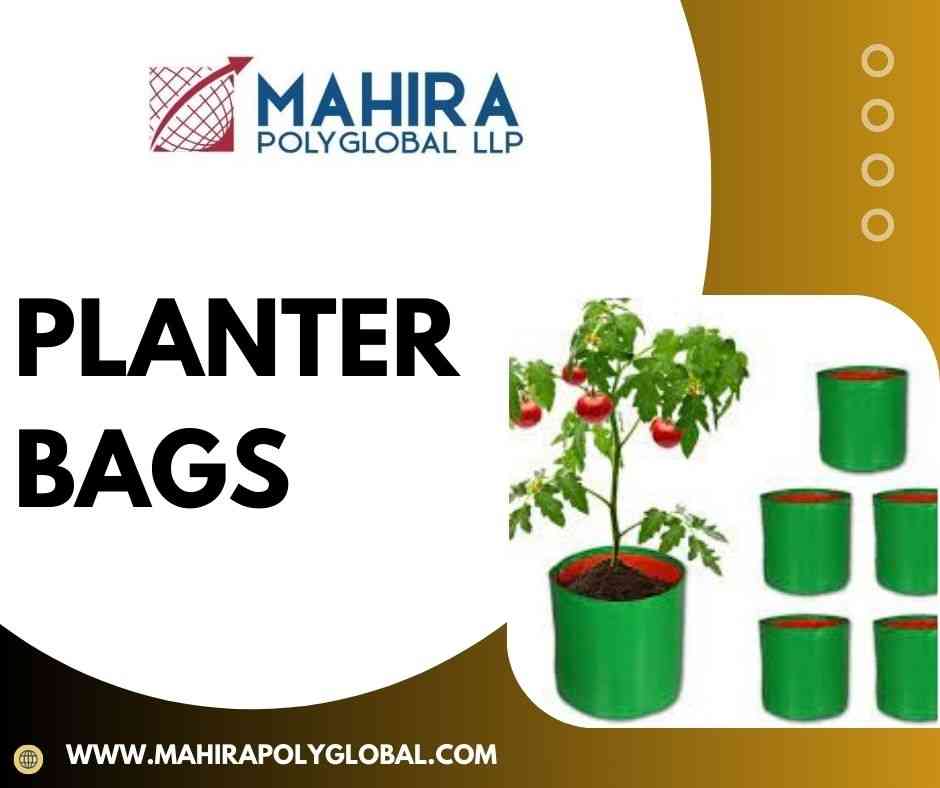
It is true that most of us do not have a big backyard to grow plants in the traditional manner. We might have only a little bit of space in form of balconies which can barely hold two chairs and a small table. Nevertheless, we still yearn for our own tomato plants, fresh cilantro, mint leaves for chai or even a dwarf lemon plant. The usual clay pots may work for some, but they are too bulky and cumbersome to handle. Similarly, plastic pots are better alternatives but they tend to get too hot for plants. Moreover, the roots of the plant end up growing in circles around the pot. Plant growing bags offer a very different solution to the above issues and can actually become life-savers for many gardeners. They are easy to use, flexible in design and extremely economical as compared to other containers. What we need to understand is that they are much more than cheap sacks of cloth used by a farmer somewhere to carry their crops. Instead, they are designed in such a way that the plants will get maximum benefit from them.
Plant Growing Bags – How Roots Are Benefited
By Air Pruning Here is what really sets plant growing bags apart and makes them better than regular pots for planting vegetables: unlike the latter, they not only provide a good growing medium but also improve plant performance through an active process known as "air pruning". When planted in regular pots, the plant roots will grow towards the pot walls and start forming a circular pattern, eventually becoming bound. As a consequence, plants will grow slower, their productivity will go down and they will be much more susceptible to any possible disease and stress factors. Plant growing bags deal with all these issues through air pruning, which implies exposure of the roots to air upon their reaching the porous walls. Such exposure stops the tip of the root from further growing forward and forces it to spread laterally instead. The result is a more fibrous root network, which will absorb more nutrients and water from the soil and thus provide more robust stems and leaves along with significantly improving overall yields, especially when it comes to crops such as tomatoes, peppers, eggplants, cucumbers, basil, curry leaves, and other plants.
Space Saving Magic: How You Can Cultivate 12 Plants Using the Space
For those who do not have much space at their disposal, plant growing bags can be considered a boon. Take into consideration the fact that normal pots cannot be easily maneuvered into places like railings or corners. Moreover, stacking them may result in accidents and hanging them from anywhere would require special equipment such as brackets or nails. On the other hand, you can line plant growing bags against railings, stack them on shelves, hang them from the ceiling, or even arrange them vertically in pockets against a wall. The result – cultivate 12 plants within the same area as you would cultivate 4! Since they are light in weight, you can shift these pots around according to convenience or sunlight requirements, and you can even form beautiful vertical gardens in balconies with the help of strawberry, lettuce, spinach, basil, or mint plant growing bags. Even in case you live in a tiny apartment and want to grow tomatoes, all you need is a large plant growing bag and a cheap bamboo trellis for the vines on the window sill.
Control Over Your Soil: The Key Benefit of Plant Growing Bags Over
Traditional Gardens In-ground plant growing usually comes with little to no control over your soil conditions. You will end up with either heavy, rocky soil; weed-infested soil, soil filled with debris; or soil contaminated by various pollutants from nearby traffic and construction. However, plant growing bags offer a solution that will allow you to prepare just the right type of soil you want for each bag. For instance, you may prefer to grow vegetables in nutrient-rich soil made up of compost, cocopeat, perlite, vermicompost, or other materials of choice. Alternatively, you may want some specific soil mixture for succulents, such as those containing more sand and gravel. Either way, you have the power to create the ideal soil for your plants, which is impossible in the case of traditional gardens. What's more, plant growing bags are portable, which allows easy rotation of crops from one season to another. This is an incredible benefit since you don't have to dig up your whole garden and replant something else.
Mahira Polyglobal LLP: The Pinnacle of Quality Fabric Bag Manufacturing for Gardening Purposes
In India, when choosing quality plant growing bags to ensure proper plant development and growth, Mahira Polyglobal LLP is among the most reliable sources of supply. Rather than producing mere bags, the company manufactures quality plant growing solutions. Indeed, their growing bags are made of premium grade, UV-stabilized non-woven fabric that does not tear, fade, or wear out in case of prolonged use either outdoors in sunny and hot weather conditions or indoors. Additionally, their growing bags feature reinforced handles designed to facilitate lifting of the bag when filled with wet soil. Moreover, Mahira Polyglobal LLP ensures consistent thickness and size of their growing bags to meet the needs of different customers. As one of the most successful Fabric bag manufacturers they supply both private gardeners and big farms. The company provides its clients with the ability to customize their orders by putting any brand or logo they wish on the bags.
Ideal Applications for Plant Growing Bags: From Balconies and Roof Gardens to Farms and Offices
Plant growing bags can be used in any setting. Balconies are the obvious choice when you want to start planting vegetables, herbs, and flowers, but without the burden of heavy and bulky clay pots. Rooftop gardens can be built using plant growing bags, giving your garden a lot of extra room while avoiding the problem of adding weight to the roof structure. Farms and nurseries use plant growing bags for seedling growing, raising nursery stock, and growing high-end crops such as strawberries, mushrooms, medicinal herbs, ornamental flowers, and many other types of plants. Even educational institutions use plant growing bags to teach children the fundamentals of growing crops and eating healthy because such bags are environmentally friendly and convenient. There are also cases of offices that have a terrace and use such bags to build an oasis of greens and flowers to make employees more productive. But how to choose the right size of a plant growing bag? Small plants, such as basil, mint, and curry leaves grow best in 7–10-liter bags. Plants like tomatoes, bell peppers, eggplants, cucumbers require 20–30-liter bags.
Plant Growing Bags and the Economics Behind Their Cost Effectiveness
But why do these bags have an advantage over others when we consider spending? Clay pots are one of the most expensive items, which costs around ₹300-500 for one 12-inch clay pot. In the case of plastic pots, we need to consider their cost per liter capacity. If there are 20+ plants being grown, the cost of pots would increase. But in the case of plant growing bags, you will pay just ₹80-140 for a 20-liter capacity bag. It is 60-70% cheaper than traditional pots. Not only because of reduced bag price but also due to other savings. You save in soil because bags require less soil than traditional pots. You save in water as well as water is not wasted through poor drainage at the bottom of traditional pots, but fabric bags have proper drainage. You will harvest high yield as they are efficient and plants will have enough room to grow healthily. Less plant replacements are necessary because you will lose fewer plants in root rot and overheating conditions. For commercial growing purposes, the cost saving is significant since nurseries are able to produce larger quantities of plants
Conclusion
Due to the rapid development and expansion of urban areas, urban gardening becomes a necessity rather than a luxury. And among other means of creating additional green spaces, plant growing bags gain popularity. They serve not only as a source of vegetables but help to tackle many other issues. The idea does not lie solely in making larger bags. What about introducing new irrigation technology, for example? Or creating completely bio-degradable bags? Or even producing bags with pre-packaged organic soil adjusted for particular types of crops? In all cases, Mahira Polyglobal LLP can offer customers such products as its developers introduce new technologies and eco-solutions. The future of the plant growing bag technology is connected with the development of the city itself. It includes establishing vertical gardens on apartment buildings for cooling purposes. It also involves creating communal rooftop gardens to produce fresh products in an environmentally friendly way. Finally, there are ideas related to the introduction of the plant growing bags in schools as part of education aimed at informing students about how vegetables grow.
Frequently Asked Questions (FAQs)
Q1. What is the average life span of plant growing bags?
If properly handled, quality bags made from UV-resistant fabrics can be used for 3-5 years or even more. Poor quality bags may tear during the first season. As a reputed company, we offer bags that are not only resistant to sun-rays but also tearing and moisture.
Q2. Is there any danger that plant growing bags will dry up?
Not necessarily, provided that you water the plants properly. While the use of breathable fabrics may lead to the evaporation of water, a plant growing bag will retain the necessary humidity level if watered properly, typically on a daily basis in summer. All that matters is soil and proper watering.
Q3. Can plant growing bags be used several times for growing other plants?
Sure thing! You should just empty the contents, wash the bag with water, and fill it with new soil. This is the main advantage of our products over traditional pots – it’s easy to change crop annually.
Q4. What plant growing bag size should be used for different varieties of plants?
Herbs (basil, mint, curry leaves): 7-10 liters. Vegetables (tomato, chili, brinjal, cucumber): 20-30 liters. Plants (dwarf fruit tree, hibiscus, ornamental shrubs): 50+ liters. It is necessary to consider the mature size of plants and select the right-sized planter bag that will provide adequate space for root growth.
Q5. Who is the largest Suppliers of Plant Growing bags?
One of the largest and trusted suppliers of plant growing bags in India is Mahira Polyglobal LLP. They manufacture premium-quality plant growing bags which are available in customized sizes and offer their customers a variety of options based on needs. One of the leading fabric bag manufacturers in India, they provide services to individuals and bulk consumers in the country.

 English
 Arabic
 Spanish
 Portuguese
 Deutsch
 Turkish
 Dutch
Dutch
 Italiano
 Russian
 Romaian
 Portuguese (Brazil)
 Greek
Greek
