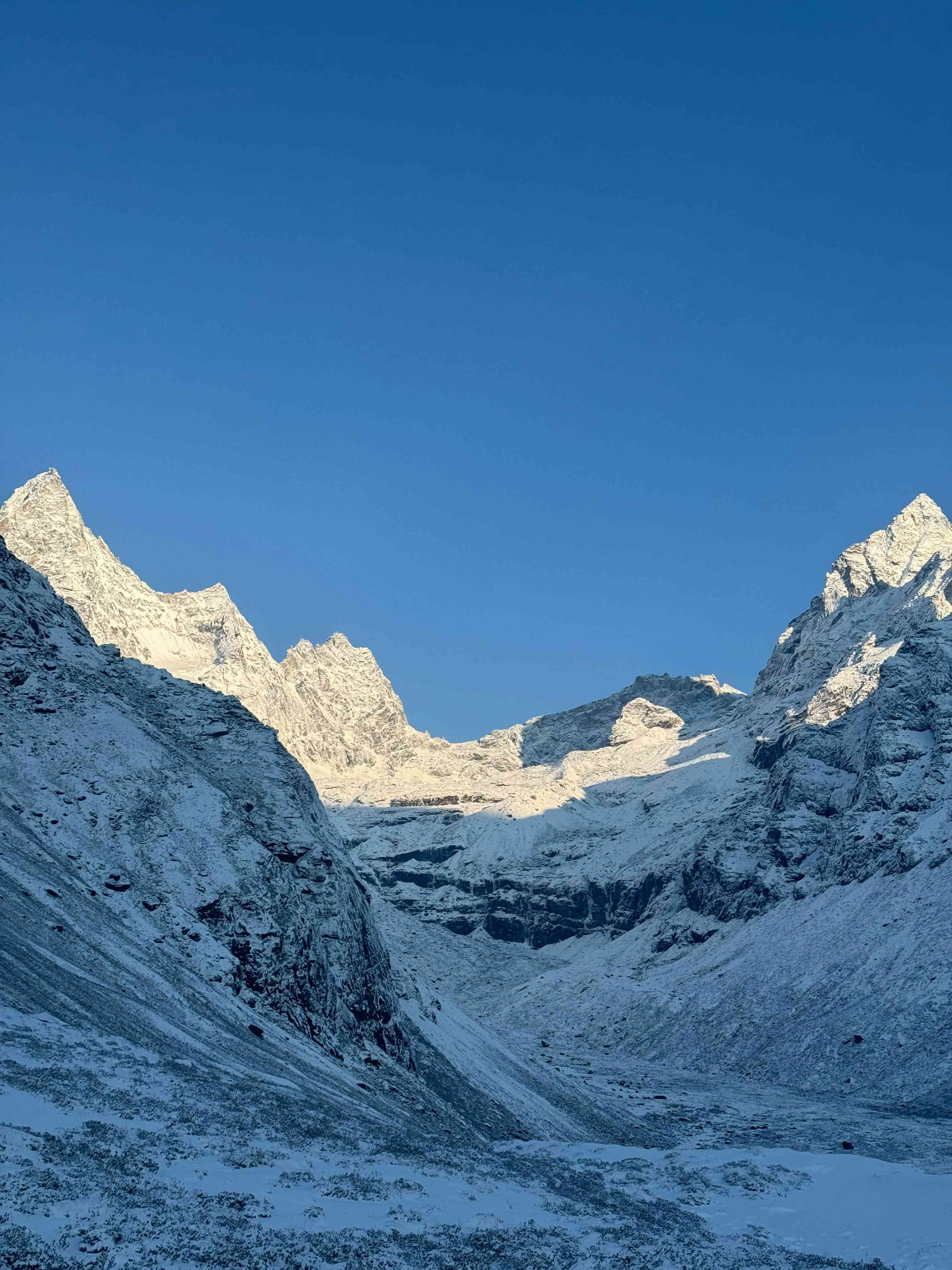
The mountains rise high above the clouds. Prayer flags move softly in the cold wind. Snow-covered peaks shine under the morning sun. The Everest region feels like a dream, but many travelers still ask one big question before packing their bags: “How hard is the trek?” Understanding the Everest View Trek Difficulty is important before starting this beautiful Himalayan adventure. With the help of experienced trekking companies like Amble Himalaya, even beginner trekkers can enjoy this unforgettable journey safely and comfortably.
What Is the Everest View Trek?
The Everest View Trek is one of the most popular short treks in Nepal. It takes travelers into the famous Everest region without going all the way to Everest Base Camp. This trek is perfect for people who want to see Mount Everest up close but have limited time or little trekking experience.
The trail passes through beautiful Sherpa villages, peaceful forests, hanging bridges, and ancient monasteries. Trekkers can enjoy amazing views of Mount Everest, Ama Dablam, Lhotse, and Thamserku. One of the biggest highlights is visiting the famous Hotel Everest View, known as one of the highest hotels in the world.
Unlike longer Himalayan treks, this route is shorter and easier. That is why many families, first-time trekkers, and older travelers choose it.
Everest View Trek Statistics
The Everest View Trek is shorter compared to many other treks in Nepal, but it still offers incredible mountain scenery and cultural experiences.
Average Trek Length: 5 to 7 days
Total Distance: Around 50 to 70 kilometers
Maximum Elevation: About 3,880 meters at Hotel Everest View
Difficulty Level: Easy to Moderate
Best Seasons: Spring (March to May) and Autumn (September to November)
These numbers show that the trek is manageable for most healthy travelers with basic fitness.
How Difficult Is the Everest View Trek?
The Everest View Trek Difficulty is considered easy to moderate. This means the trek is not extremely hard, but it still requires daily walking and some uphill climbing. Trekkers usually walk for about 4 to 6 hours each day.
The trail includes stone steps, forest paths, and some steep sections. The higher altitude can also make breathing feel slightly harder. However, the trek is much easier than Everest Base Camp Trek or the Everest Three High Pass Trek.
Most people with average fitness can complete this trek successfully. You do not need climbing skills or technical mountain experience. If you can walk comfortably for several hours and stay active before the trek, you will likely enjoy the journey.
The Biggest Challenge: Altitude
Even though the Everest View Trek is shorter, altitude is still something trekkers should respect. As you climb higher, the air becomes thinner. Some people may feel mild symptoms like headaches, tiredness, or shortness of breath.
The good news is that the Everest View Trek stays below 4,000 meters. This greatly lowers the risk of serious altitude sickness compared to higher Himalayan treks.
To stay safe, trekkers should:
Walk slowly
Drink plenty of water
Rest when needed
Eat healthy meals
Listen to their guide
Good acclimatization and proper pacing make the trek much safer and more enjoyable.
What Makes the Trek Easier?
Several things make the Everest View Trek easier than other Everest region treks.
Shorter Trek Duration
Unlike Everest Base Camp Trek, which can take nearly two weeks, this trek can be completed within one week.
Lower Altitude
The highest point is around 3,880 meters, which is lower than many challenging Himalayan routes.
Comfortable Tea Houses
Trekkers stay in cozy tea houses along the trail. These lodges provide warm meals, comfortable beds, and friendly hospitality.
Well-Maintained Trails
The Everest region is one of Nepal’s most famous trekking areas, so the trails are clear and well-developed.
These factors help beginners feel more comfortable during the trek.
Why Preparation Still Matters
Even easy treks become difficult without preparation. Before starting the Everest View Trek, it helps to improve your fitness level. Simple activities like walking, jogging, cycling, or climbing stairs can build strength and stamina.
Packing the right gear is also important. Warm clothes, trekking shoes, sunglasses, gloves, and a comfortable backpack can make a huge difference during the trek.
Mental preparation matters too. Some days may feel tiring, especially during uphill climbs. Staying positive and walking at your own pace helps a lot.
Experience Sherpa Culture Along the Trail
The Everest region is not only about mountains. It is also home to the Sherpa people, who are known for their kindness and mountain skills.
Trekkers can visit monasteries, spin prayer wheels, and learn about local traditions. Villages like Namche Bazaar offer a mix of culture, food, and mountain life. Many travelers say the cultural experience becomes one of their favorite memories from the trek.
The peaceful atmosphere of the villages makes the journey feel even more special.
How Amble Himalaya Helps Trekkers
Choosing a trusted trekking company can make the adventure easier and safer. Amble Himalaya provides experienced guides, friendly porters, airport transfers, comfortable accommodation arrangements, and personalized trekking support for travelers visiting Nepal.
Their guides help trekkers walk at a safe pace and explain local culture, mountain history, and trail conditions. They also help monitor altitude-related problems and provide assistance when needed.
For first-time trekkers, having an organized trekking team removes stress and allows travelers to fully enjoy the experience. Amble Himalaya focuses on safety, comfort, and creating unforgettable Himalayan memories for every guest.
Best Time for the Everest View Trek
Spring and autumn are the best seasons for this trek.
Spring (March to May)
Warm temperatures
Clear skies
Blooming rhododendron forests
Autumn (September to November)
Stable weather
Excellent mountain visibility
Comfortable trekking conditions
Winter is colder but quieter. Summer brings rain and cloudy skies, making the trail slippery.
Final Thoughts on Everest View Trek Difficulty
The Everest View Trek Difficulty is manageable for most travelers who have average fitness and a sense of adventure. The trek offers breathtaking Himalayan views without the extreme challenge of higher Everest routes. With shorter walking days, lower altitude, and comfortable tea houses, it is one of the best trekking choices for beginners in Nepal.
Most importantly, trekking with a reliable company like Amble Himalaya makes the experience smoother, safer, and more enjoyable. From helpful guides to personalized services, their team helps travelers focus on what truly matters enjoying the beauty of the Himalayas. If you dream of standing beneath Mount Everest and exploring Sherpa culture without taking on an extremely difficult trek, the Everest View Trek could be the perfect adventure for you.



 Downloader
 Free FTP

 English
 Arabic
 French
 Spanish
 Deutsch
 Turkish
 Dutch
Dutch
 Italiano
 Russian
 Romaian
 Portuguese (Brazil)
 Greek
Greek
