


 Downloader
 Free FTP
Promote Your Product
Got a product, service, or story to share? Promote it directly to our active community and boost your brand today.
Create an Ad
Publish Bulk Blog Posts
Boost Your Reach! 📝
Have articles, guest posts, or bulk stories to publish? Send your content directly to our editorial team and feature on our platform.
Email Us Your PostsHow Less Than Truckload Shipping Can Revolutionize Your Business Growth
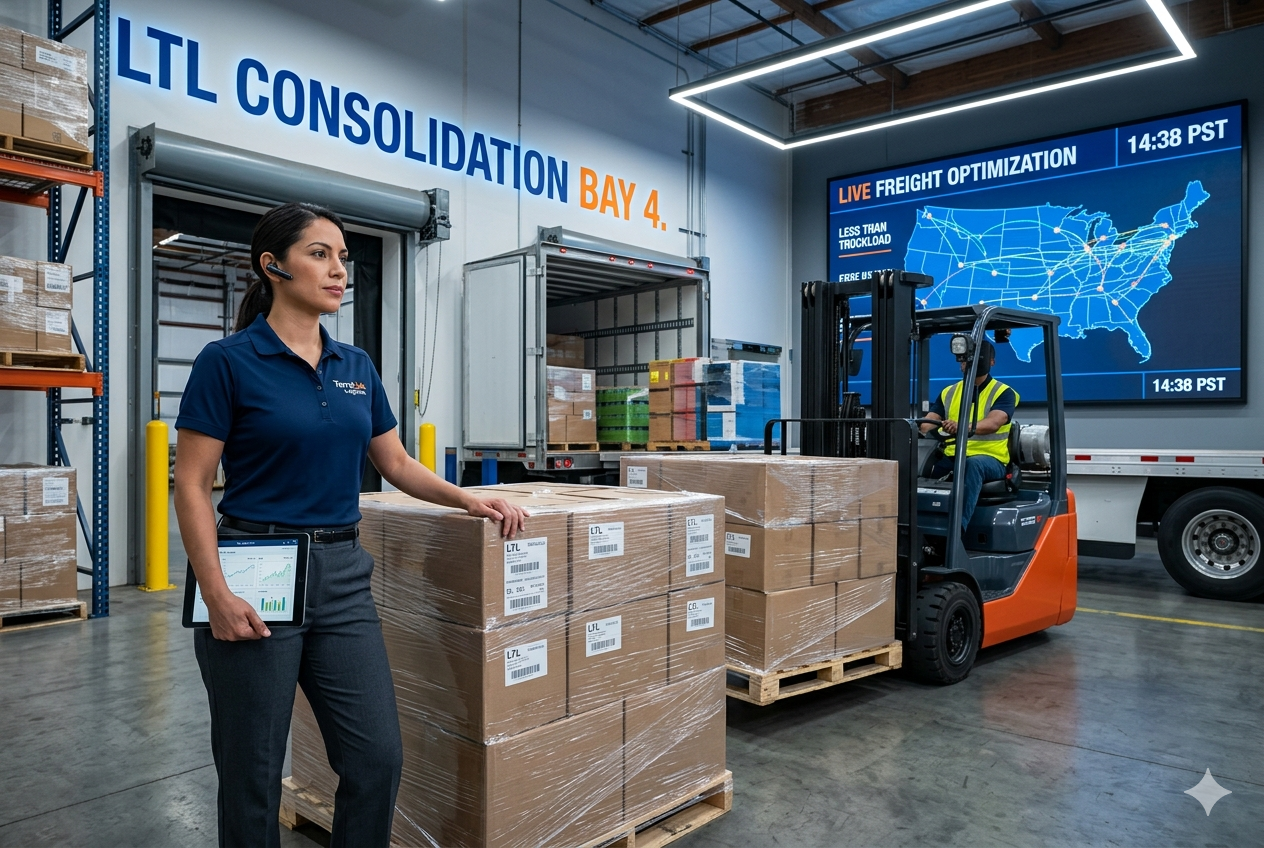
The logistics landscape is undergoing a massive transformation in 2026, driven by volatile fuel costs and a shifting labor market. For many small to medium-sized enterprises, the traditional method of waiting to fill an entire trailer before shipping is no longer a viable strategy. Instead, savvy business owners are turning toward a more flexible model known as less than truckload shipping. This logistics method allows multiple shippers to share space on a single trailer, providing a cost-effective solution for those who do not have enough cargo to justify a full truckload.
As supply chains become more fragmented and customer demands for frequent deliveries increase, understanding the mechanics of this shipping mode is essential. Many companies find that TerraLinkLogistics offers less than truckload services that cater specifically to these evolving needs, allowing for greater agility in a competitive market. By paying only for the portion of the trailer their freight occupies, businesses can reinvest those saved operational costs back into product development or marketing.
Understanding the Technical Core of LTL Logistics
To truly master the art of shipping, one must first grasp the technical definitions that govern the industry. According to Wikipedia, less than truckload shipping refers to the transportation of relatively small freight. Generally, these shipments range from 150 to 15,000 pounds. Unlike full truckload (FTL) carriers, who move a dedicated trailer from point A to point B, LTL carriers operate on a "hub and spoke" model.
In this model, your freight is picked up and taken to a local terminal. From there, it is consolidated with other shipments heading in the same general direction. It may pass through several distribution centers before reaching its final destination. This process is inherently more complex than FTL because it requires precise coordination and multiple touchpoints. However, the complexity is what creates the cost savings. By sharing the fixed costs of the driver, fuel, and equipment among several shippers, the individual price per shipment drops significantly.
Why Businesses are Shifting to Shared Freight Models
The shift toward less than truckload options is not just about saving a few dollars; it is a strategic move toward sustainability and scalability. In an era where environmental impact is closely scrutinized, LTL shipping helps reduce the carbon footprint of a business. Instead of three different companies sending three half-empty trucks across the country, those loads are combined into one efficient journey.
Recent reports from Google News indicate that while the LTL workforce has seen some fluctuations in early 2026, the demand for these services remains robust as e-commerce continues to expand. Businesses are no longer holding massive amounts of inventory in expensive warehouses. Instead, they are adopting "just-in-time" inventory systems, which require smaller, more frequent shipments of goods.
Furthermore, the professional analysis provided by experts at Forbes suggests that the integration of AI and real-time tracking has made LTL shipping more reliable than ever before. In the past, the multiple stops associated with LTL often led to "black holes" in visibility. Today, advanced Transportation Management Systems (TMS) allow shippers to see exactly where their pallets are at any given moment. This transparency is crucial for maintaining customer trust and managing retail expectations.
Navigating the Challenges of Modern Logistics
While the benefits are numerous, navigating the world of less than truckload shipping does come with its own set of hurdles. Because the freight is handled multiple times at various terminals, the risk of damage is statistically higher than with FTL. This makes proper packaging and palletization a non-negotiable requirement for success.
Shippers must also be aware of freight classes. In the United States, the National Motor Freight Traffic Association (NMFTA) defines classes based on density, stowability, ease of handling, and liability. If you misclassify your freight, you could be hit with unexpected re-weigh fees or inspection charges that eat into your margins. Using a partner like TerraLinkLogistics offers less than truckload services that include expert guidance on classification, helping you avoid these common pitfalls.
Additionally, transit times for LTL are typically longer and less predictable than FTL. Since the truck makes multiple stops, weather delays or dock congestion at one terminal can ripple through the entire schedule. Businesses must plan for these buffers when setting delivery expectations with their clients.
Conclusion: Taking the Next Step in Your Shipping Strategy
The logistics industry is the backbone of the global economy, and the less than truckload sector is currently its most dynamic segment. For businesses looking to scale without the overhead of massive shipping volumes, LTL provides the perfect balance of cost, flexibility, and reach. By embracing the hub and spoke model, leveraging modern tracking technology, and ensuring your freight is professionally prepared, you can turn your shipping department into a competitive advantage.
As the market continues to evolve through 2026, staying informed and choosing the right partners will be the key to long-term success. If you are ready to optimize your supply chain and reduce your overhead, it is time to look at how these services can work for you. TerraLinkLogistics offers less than truckload services designed to help you navigate these complexities with ease. Don't let empty truck space drain your budget; start shipping smarter today.

 English
 Arabic
 Spanish
 Portuguese
 Deutsch
 Turkish
 Dutch
Dutch
 Italiano
 Russian
 Romaian
 Portuguese (Brazil)
 Greek
Greek
