Grow Your Business
Promote Your Product

Got a product, service, or story to share? Promote it directly to our active community and boost your brand today.

Create an Ad

Content & SEO Promotion
Publish Bulk Blog Posts
Boost Your Reach! 📝

Have articles, guest posts, or bulk stories to publish? Send your content directly to our editorial team and feature on our platform.

Email Us Your Posts

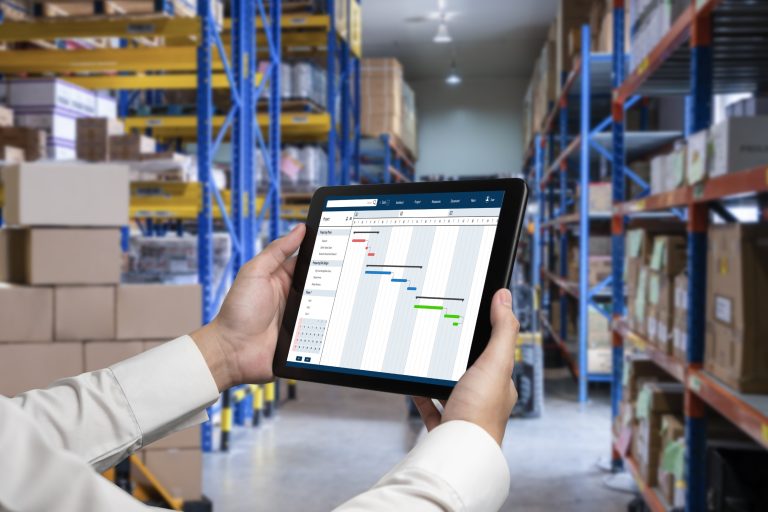
  • Intelligent Warehouse Systems Shaping the Future of Logistics | One Union Solutions

    Intelligent warehouse systems combine automation, AI, and data analytics to enhance operational performance. One Union Solutions explores how smart technologies improve inventory control, load planning, warehouse productivity, and supply chain visibility for modern logistics operations.

    https://itscouriertracking.com/smart-warehouses-and-ai-powered-pallet-calculators/
    Intelligent Warehouse Systems Shaping the Future of Logistics | One Union Solutions Intelligent warehouse systems combine automation, AI, and data analytics to enhance operational performance. One Union Solutions explores how smart technologies improve inventory control, load planning, warehouse productivity, and supply chain visibility for modern logistics operations. https://itscouriertracking.com/smart-warehouses-and-ai-powered-pallet-calculators/
    0 Comments 0 Shares 1K Views 0 Reviews
  • Supply Chain Planning Systems Market to Witness Strong Growth Through 2030

    The global Supply Chain Planning (SCP) System market is entering a new phase of growth as organizations focus on building resilient, intelligent, and data-driven supply chains. Businesses across manufacturing, retail, healthcare, logistics, and automotive sectors are investing heavily in advanced planning technologies to improve forecasting accuracy, inventory optimization, and operational agility. According to research from QKS Group, the SCP market is expected to witness strong expansion between 2026 and 2030 due to increasing digital transformation initiatives and the growing adoption of AI-powered planning platforms.

    Click Here For More: https://qksgroup.com/market-research/market-forecast-supply-chain-planning-scp-system-2026-2030-worldwide-2242

    Supply Chain Planning systems help organizations manage demand forecasting, production planning, inventory management, supply balancing, and logistics coordination through a centralized digital platform. Traditional planning methods are no longer sufficient in today’s fast-changing business environment where disruptions, changing customer expectations, and global supply chain complexities require real-time decision-making capabilities.

    One of the biggest drivers of the SCP market is the rising adoption of Artificial Intelligence (AI), Machine Learning (ML), and predictive analytics. Modern SCP platforms are evolving from static planning tools into intelligent systems capable of autonomous recommendations and scenario-based planning. Companies are increasingly using AI-driven demand sensing and digital twin technologies to simulate supply chain disruptions and optimize planning decisions before operational problems occur.

    Cloud-based deployment is also accelerating market growth. Organizations prefer cloud SCP solutions because they offer scalability, faster implementation, lower infrastructure costs, and easier integration with enterprise systems such as ERP, WMS, and TMS platforms. Cloud-native planning systems also support global collaboration across suppliers, distributors, and logistics partners, which is critical for modern supply chain ecosystems.

    Another major trend shaping the market is the shift toward real-time and continuous planning. Earlier supply chain planning processes relied on periodic updates, but modern businesses now require event-driven planning models that respond instantly to disruptions, market changes, and customer demand fluctuations. This transition is helping enterprises improve service levels, reduce inventory waste, and increase operational efficiency.

    Download Sample Report Here: https://qksgroup.com/download-sample-form/market-share-supply-chain-planning-scp-system-2025-worldwide-2438

    Industries such as retail, e-commerce, manufacturing, pharmaceuticals, and transportation are expected to remain major adopters of SCP solutions during the forecast period. The growth of omnichannel commerce and global sourcing networks has increased the need for end-to-end supply chain visibility and synchronized planning capabilities.

    North America currently leads the SCP market due to high technology adoption and the strong presence of major solution providers. However, Asia-Pacific is projected to experience the fastest growth because of rapid industrialization, increasing investments in digital supply chain technologies, and expanding manufacturing ecosystems in countries such as India and China.

    Key vendors operating in the market are continuously enhancing their platforms with automation, AI-powered analytics, and collaborative planning features to strengthen their competitive position. Companies are also focusing on sustainability and supply chain resilience as core planning priorities.

    Overall, the Supply Chain Planning System market is expected to play a critical role in the future of intelligent supply chains. As businesses continue to prioritize agility, visibility, and operational efficiency, SCP platforms will become essential technologies for achieving competitive advantage in the digital economy.

    Related Reports:

    Market Share: Supply Chain Planning (SCP) System, 2025, Middle East and Africa: https://qksgroup.com/market-research/market-share-supply-chain-planning-scp-system-2025-middle-east-and-africa-3914

    Market Forecast: Supply Chain Planning (SCP) System, 2026-2030, Latin America: https://qksgroup.com/market-research/market-forecast-supply-chain-planning-scp-system-2026-2030-latin-america-4426

    #SupplyChainPlanning #SupplyPlanning #DemandForecasting #SupplyChain #SalesAndOperationsPlanning #SOP #SupplyChainPlanningSolutions #SupplyChainForecasting #DemandPlanning #DemandAndSupplyPlanning #SupplyChainPlanningSystems #SCPMarket #SupplyChainSoftware #SupplyChainManagement #DigitalSupplyChain #AIinSupplyChain #BusinessPlanning #SmartLogistics #LogisticsManagement #PredictiveAnalytics #SupplyChainTechnology #InventoryOptimization #CloudSupplyChain #SupplyChainAutomation
    Supply Chain Planning Systems Market to Witness Strong Growth Through 2030 The global Supply Chain Planning (SCP) System market is entering a new phase of growth as organizations focus on building resilient, intelligent, and data-driven supply chains. Businesses across manufacturing, retail, healthcare, logistics, and automotive sectors are investing heavily in advanced planning technologies to improve forecasting accuracy, inventory optimization, and operational agility. According to research from QKS Group, the SCP market is expected to witness strong expansion between 2026 and 2030 due to increasing digital transformation initiatives and the growing adoption of AI-powered planning platforms. Click Here For More: https://qksgroup.com/market-research/market-forecast-supply-chain-planning-scp-system-2026-2030-worldwide-2242 Supply Chain Planning systems help organizations manage demand forecasting, production planning, inventory management, supply balancing, and logistics coordination through a centralized digital platform. Traditional planning methods are no longer sufficient in today’s fast-changing business environment where disruptions, changing customer expectations, and global supply chain complexities require real-time decision-making capabilities. One of the biggest drivers of the SCP market is the rising adoption of Artificial Intelligence (AI), Machine Learning (ML), and predictive analytics. Modern SCP platforms are evolving from static planning tools into intelligent systems capable of autonomous recommendations and scenario-based planning. Companies are increasingly using AI-driven demand sensing and digital twin technologies to simulate supply chain disruptions and optimize planning decisions before operational problems occur. Cloud-based deployment is also accelerating market growth. Organizations prefer cloud SCP solutions because they offer scalability, faster implementation, lower infrastructure costs, and easier integration with enterprise systems such as ERP, WMS, and TMS platforms. Cloud-native planning systems also support global collaboration across suppliers, distributors, and logistics partners, which is critical for modern supply chain ecosystems. Another major trend shaping the market is the shift toward real-time and continuous planning. Earlier supply chain planning processes relied on periodic updates, but modern businesses now require event-driven planning models that respond instantly to disruptions, market changes, and customer demand fluctuations. This transition is helping enterprises improve service levels, reduce inventory waste, and increase operational efficiency. Download Sample Report Here: https://qksgroup.com/download-sample-form/market-share-supply-chain-planning-scp-system-2025-worldwide-2438 Industries such as retail, e-commerce, manufacturing, pharmaceuticals, and transportation are expected to remain major adopters of SCP solutions during the forecast period. The growth of omnichannel commerce and global sourcing networks has increased the need for end-to-end supply chain visibility and synchronized planning capabilities. North America currently leads the SCP market due to high technology adoption and the strong presence of major solution providers. However, Asia-Pacific is projected to experience the fastest growth because of rapid industrialization, increasing investments in digital supply chain technologies, and expanding manufacturing ecosystems in countries such as India and China. Key vendors operating in the market are continuously enhancing their platforms with automation, AI-powered analytics, and collaborative planning features to strengthen their competitive position. Companies are also focusing on sustainability and supply chain resilience as core planning priorities. Overall, the Supply Chain Planning System market is expected to play a critical role in the future of intelligent supply chains. As businesses continue to prioritize agility, visibility, and operational efficiency, SCP platforms will become essential technologies for achieving competitive advantage in the digital economy. Related Reports: Market Share: Supply Chain Planning (SCP) System, 2025, Middle East and Africa: https://qksgroup.com/market-research/market-share-supply-chain-planning-scp-system-2025-middle-east-and-africa-3914 Market Forecast: Supply Chain Planning (SCP) System, 2026-2030, Latin America: https://qksgroup.com/market-research/market-forecast-supply-chain-planning-scp-system-2026-2030-latin-america-4426 #SupplyChainPlanning #SupplyPlanning #DemandForecasting #SupplyChain #SalesAndOperationsPlanning #SOP #SupplyChainPlanningSolutions #SupplyChainForecasting #DemandPlanning #DemandAndSupplyPlanning #SupplyChainPlanningSystems #SCPMarket #SupplyChainSoftware #SupplyChainManagement #DigitalSupplyChain #AIinSupplyChain #BusinessPlanning #SmartLogistics #LogisticsManagement #PredictiveAnalytics #SupplyChainTechnology #InventoryOptimization #CloudSupplyChain #SupplyChainAutomation
    QKSGROUP.COM
    Market Forecast: Supply Chain Planning (SCP) System, 2026-2030, Worldwide
    Quadrant Knowledge Solutions Reveals that Supply Chain Planning (SCP) Projected to Register a CAGR o...
    0 Comments 0 Shares 11K Views 0 Reviews
  • Transportation Management Systems: The Foundation of Intelligent Logistics Operations

    Transportation has become one of the most important factors in maintaining a smooth and efficient supply chain. Businesses are expected to move goods quickly, control freight costs, meet customer expectations, and ensure reliable deliveries across increasingly complex logistics networks. As these demands continue to grow, organizations are turning to Transportation Management Systems (TMS) to gain greater visibility, improve operational efficiency, and make smarter transportation decisions. By streamlining planning, execution, and shipment tracking, TMS solutions help businesses optimize logistics performance while supporting long-term supply chain growth.

    According to SPARK Matrix™: Transportation Management System (TMS), the TMS market continues to evolve rapidly, driven by digital transformation, automation, artificial intelligence (AI), and the growing demand for real-time logistics visibility. Modern TMS platforms are becoming essential for organizations seeking greater control over transportation operations and supply chain performance.

    Click here for More: https://qksgroup.com/market-research/spark-matrix-transportation-management-system-q4-2025-8324

    What is a Transportation Management System?

    A Transportation Management System (TMS) is a software solution designed to help organizations plan, execute, monitor, and optimize the movement of goods across the supply chain. It supports both inbound and outbound transportation activities and enables businesses to manage carriers, shipments, routes, freight costs, and delivery performance through a centralized platform.

    The primary goal of a TMS is to improve transportation efficiency while reducing operational costs. By automating logistics processes such as route planning, carrier selection, shipment tracking, and freight auditing, organizations can achieve greater visibility and control over their transportation networks.

    Why Transportation Management Systems Matter

    As global supply chains become more complex, traditional transportation management methods are no longer sufficient. Businesses must manage multiple carriers, transportation modes, customer expectations, and regulatory requirements while responding quickly to disruptions.

    A modern TMS helps organizations address these challenges by providing:

    Real-time shipment visibility
    Automated transportation planning
    Carrier performance management
    Freight cost optimization
    Delivery tracking and monitoring
    Data-driven decision-making
    Improved customer service

    These capabilities enable companies to create more agile, efficient, and resilient transportation operations.

    Market Forecast Transportation Management System (TMS): https://qksgroup.com/market-research/market-forecast-transportation-management-system-tms-2026-2030-worldwide-2246

    Key Trends Transforming the TMS Market
    1. Artificial Intelligence and Advanced Analytics

    AI is becoming a major differentiator in modern Transportation Management Systems. Organizations are increasingly leveraging AI-powered capabilities to optimize routes, predict delivery delays, identify transportation risks, and improve overall logistics performance.

    Advanced analytics enables businesses to analyze large volumes of transportation data and generate actionable insights. This helps logistics teams make faster and more accurate decisions while reducing operational inefficiencies.

    2. Real-Time Visibility and Tracking

    Visibility has become one of the most important requirements in transportation management. Companies need accurate, real-time information about shipment status, carrier performance, and delivery timelines.

    Modern TMS platforms integrate with GPS devices, IoT sensors, telematics systems, and carrier networks to provide end-to-end shipment visibility. This enables organizations to proactively manage exceptions and improve customer communication.

    3. Cloud-Based Transportation Platforms

    Cloud technology continues to drive innovation across the TMS market. Cloud-native platforms offer scalability, flexibility, and faster deployment compared to traditional on-premise solutions.

    Organizations can access transportation data from anywhere, support distributed operations, and easily integrate with other supply chain applications. Cloud-based TMS solutions also reduce infrastructure costs and simplify software updates.

    4. Decision Intelligence and Automation

    The next generation of TMS platforms is moving beyond simple transportation execution. Modern solutions increasingly incorporate decision intelligence, enabling systems to recommend, automate, and optimize transportation decisions in real time.

    These capabilities help organizations balance cost, service levels, capacity utilization, and delivery performance while adapting to changing business conditions.

    Market Share Transportation Management System (TMS): https://qksgroup.com/market-research/market-share-transportation-management-system-tms-2025-worldwide-2442

    Benefits of Implementing a Transportation Management System

    Organizations that invest in advanced TMS solutions can achieve significant business benefits.

    Reduced Transportation Costs

    A TMS helps optimize routes, consolidate shipments, select the most efficient carriers, and reduce fuel consumption. These improvements contribute directly to lower transportation expenses.

    Improved Delivery Performance

    Real-time visibility and automated planning help organizations improve on-time delivery rates and respond quickly to unexpected disruptions.

    Enhanced Customer Experience

    Customers increasingly expect accurate delivery information and reliable service. A TMS provides shipment tracking and proactive communication that improve customer satisfaction.

    Increased Operational Efficiency

    Automation reduces manual processes and administrative workloads. Logistics teams can focus on strategic activities instead of spending time on repetitive transportation tasks.

    Better Supply Chain Visibility

    A centralized transportation platform provides a comprehensive view of logistics operations, enabling better planning and faster decision-making.

    Stronger Carrier Collaboration

    TMS solutions facilitate communication and collaboration between shippers, carriers, and logistics partners, helping organizations build more efficient transportation ecosystems.

    Download Sample Report Here: https://qksgroup.com/download-sample-form/market-forecast-transportation-management-system-tms-2026-2032-usa-4437

    Industry Applications of Transportation Management Systems

    Transportation Management Systems are widely used across various industries, including:

    Retail and e-commerce
    Manufacturing
    Consumer packaged goods (CPG)
    Food and beverage
    Healthcare and pharmaceuticals
    Third-party logistics (3PL)
    Distribution and wholesale

    Each industry benefits from improved transportation visibility, optimized logistics operations, and better customer service. As supply chains become increasingly digital, TMS adoption continues to expand across both large enterprises and mid-sized organizations.

    The Future of Transportation Management

    The future of transportation management will be shaped by intelligent automation, AI-driven decision-making, predictive analytics, and connected logistics ecosystems.

    Emerging technologies such as machine learning, IoT, digital twins, and autonomous logistics operations will continue to enhance TMS capabilities. Organizations will increasingly rely on transportation platforms that can predict disruptions, optimize decisions automatically, and provide continuous visibility across the supply chain.

    The growing importance of sustainability will also influence TMS innovation. Companies are seeking solutions that help reduce carbon emissions, improve fuel efficiency, and support environmentally responsible transportation strategies.

    Conclusion

    Transportation Management Systems have evolved from operational tools into strategic platforms that drive supply chain excellence. As transportation networks become more complex and customer expectations continue to rise, organizations need intelligent solutions that deliver visibility, automation, efficiency, and agility.

    The insights highlighted in SPARK Matrix™: Transportation Management System, demonstrate that the future of transportation management lies in AI-powered optimization, real-time visibility, cloud-native architectures, and decision intelligence. Organizations that embrace these innovations will be better positioned to reduce costs, improve service levels, and build resilient supply chains capable of thriving in an increasingly competitive market.

    #TransportationManagementSystem #TMS #SupplyChainManagement #Logistics #LogisticsManagement #SupplyChain #SupplyChainOptimization #logistics #transportation #business #TransportationTechnology #AIinLogistics #DigitalSupplyChain #SmartLogistics #LogisticsInnovation #FreightManagement #SupplyChainVisibility #FreightOptimization #LogisticsTechnology

    Transportation Management Systems: The Foundation of Intelligent Logistics Operations Transportation has become one of the most important factors in maintaining a smooth and efficient supply chain. Businesses are expected to move goods quickly, control freight costs, meet customer expectations, and ensure reliable deliveries across increasingly complex logistics networks. As these demands continue to grow, organizations are turning to Transportation Management Systems (TMS) to gain greater visibility, improve operational efficiency, and make smarter transportation decisions. By streamlining planning, execution, and shipment tracking, TMS solutions help businesses optimize logistics performance while supporting long-term supply chain growth. According to SPARK Matrix™: Transportation Management System (TMS), the TMS market continues to evolve rapidly, driven by digital transformation, automation, artificial intelligence (AI), and the growing demand for real-time logistics visibility. Modern TMS platforms are becoming essential for organizations seeking greater control over transportation operations and supply chain performance. Click here for More: https://qksgroup.com/market-research/spark-matrix-transportation-management-system-q4-2025-8324 What is a Transportation Management System? A Transportation Management System (TMS) is a software solution designed to help organizations plan, execute, monitor, and optimize the movement of goods across the supply chain. It supports both inbound and outbound transportation activities and enables businesses to manage carriers, shipments, routes, freight costs, and delivery performance through a centralized platform. The primary goal of a TMS is to improve transportation efficiency while reducing operational costs. By automating logistics processes such as route planning, carrier selection, shipment tracking, and freight auditing, organizations can achieve greater visibility and control over their transportation networks. Why Transportation Management Systems Matter As global supply chains become more complex, traditional transportation management methods are no longer sufficient. Businesses must manage multiple carriers, transportation modes, customer expectations, and regulatory requirements while responding quickly to disruptions. A modern TMS helps organizations address these challenges by providing: Real-time shipment visibility Automated transportation planning Carrier performance management Freight cost optimization Delivery tracking and monitoring Data-driven decision-making Improved customer service These capabilities enable companies to create more agile, efficient, and resilient transportation operations. Market Forecast Transportation Management System (TMS): https://qksgroup.com/market-research/market-forecast-transportation-management-system-tms-2026-2030-worldwide-2246 Key Trends Transforming the TMS Market 1. Artificial Intelligence and Advanced Analytics AI is becoming a major differentiator in modern Transportation Management Systems. Organizations are increasingly leveraging AI-powered capabilities to optimize routes, predict delivery delays, identify transportation risks, and improve overall logistics performance. Advanced analytics enables businesses to analyze large volumes of transportation data and generate actionable insights. This helps logistics teams make faster and more accurate decisions while reducing operational inefficiencies. 2. Real-Time Visibility and Tracking Visibility has become one of the most important requirements in transportation management. Companies need accurate, real-time information about shipment status, carrier performance, and delivery timelines. Modern TMS platforms integrate with GPS devices, IoT sensors, telematics systems, and carrier networks to provide end-to-end shipment visibility. This enables organizations to proactively manage exceptions and improve customer communication. 3. Cloud-Based Transportation Platforms Cloud technology continues to drive innovation across the TMS market. Cloud-native platforms offer scalability, flexibility, and faster deployment compared to traditional on-premise solutions. Organizations can access transportation data from anywhere, support distributed operations, and easily integrate with other supply chain applications. Cloud-based TMS solutions also reduce infrastructure costs and simplify software updates. 4. Decision Intelligence and Automation The next generation of TMS platforms is moving beyond simple transportation execution. Modern solutions increasingly incorporate decision intelligence, enabling systems to recommend, automate, and optimize transportation decisions in real time. These capabilities help organizations balance cost, service levels, capacity utilization, and delivery performance while adapting to changing business conditions. Market Share Transportation Management System (TMS): https://qksgroup.com/market-research/market-share-transportation-management-system-tms-2025-worldwide-2442 Benefits of Implementing a Transportation Management System Organizations that invest in advanced TMS solutions can achieve significant business benefits. Reduced Transportation Costs A TMS helps optimize routes, consolidate shipments, select the most efficient carriers, and reduce fuel consumption. These improvements contribute directly to lower transportation expenses. Improved Delivery Performance Real-time visibility and automated planning help organizations improve on-time delivery rates and respond quickly to unexpected disruptions. Enhanced Customer Experience Customers increasingly expect accurate delivery information and reliable service. A TMS provides shipment tracking and proactive communication that improve customer satisfaction. Increased Operational Efficiency Automation reduces manual processes and administrative workloads. Logistics teams can focus on strategic activities instead of spending time on repetitive transportation tasks. Better Supply Chain Visibility A centralized transportation platform provides a comprehensive view of logistics operations, enabling better planning and faster decision-making. Stronger Carrier Collaboration TMS solutions facilitate communication and collaboration between shippers, carriers, and logistics partners, helping organizations build more efficient transportation ecosystems. Download Sample Report Here: https://qksgroup.com/download-sample-form/market-forecast-transportation-management-system-tms-2026-2032-usa-4437 Industry Applications of Transportation Management Systems Transportation Management Systems are widely used across various industries, including: Retail and e-commerce Manufacturing Consumer packaged goods (CPG) Food and beverage Healthcare and pharmaceuticals Third-party logistics (3PL) Distribution and wholesale Each industry benefits from improved transportation visibility, optimized logistics operations, and better customer service. As supply chains become increasingly digital, TMS adoption continues to expand across both large enterprises and mid-sized organizations. The Future of Transportation Management The future of transportation management will be shaped by intelligent automation, AI-driven decision-making, predictive analytics, and connected logistics ecosystems. Emerging technologies such as machine learning, IoT, digital twins, and autonomous logistics operations will continue to enhance TMS capabilities. Organizations will increasingly rely on transportation platforms that can predict disruptions, optimize decisions automatically, and provide continuous visibility across the supply chain. The growing importance of sustainability will also influence TMS innovation. Companies are seeking solutions that help reduce carbon emissions, improve fuel efficiency, and support environmentally responsible transportation strategies. Conclusion Transportation Management Systems have evolved from operational tools into strategic platforms that drive supply chain excellence. As transportation networks become more complex and customer expectations continue to rise, organizations need intelligent solutions that deliver visibility, automation, efficiency, and agility. The insights highlighted in SPARK Matrix™: Transportation Management System, demonstrate that the future of transportation management lies in AI-powered optimization, real-time visibility, cloud-native architectures, and decision intelligence. Organizations that embrace these innovations will be better positioned to reduce costs, improve service levels, and build resilient supply chains capable of thriving in an increasingly competitive market. #TransportationManagementSystem #TMS #SupplyChainManagement #Logistics #LogisticsManagement #SupplyChain #SupplyChainOptimization #logistics #transportation #business #TransportationTechnology #AIinLogistics #DigitalSupplyChain #SmartLogistics #LogisticsInnovation #FreightManagement #SupplyChainVisibility #FreightOptimization #LogisticsTechnology

    QKSGROUP.COM
    SPARK Matrix?: Transportation Management System, Q4 2025
    QKS Group's QKS Group's Transportation Management System (TMS) market research provides a comprehens...
    0 Comments 0 Shares 13K Views 0 Reviews
  • Multi-Carrier Parcel Management Solutions: Transforming Logistics in 2026

    In today’s fast-moving digital economy, businesses are shipping more parcels than ever before. With the rise of e-commerce and global trade, managing shipments across multiple carriers has become complex. This is where Multi Carrier Parcel Management Solutions (MCPMS) play a key role.

    Click Here for More: https://qksgroup.com/market-research/spark-matrix-multi-carrier-parcel-management-solutions-q4-2025-9486

    According to the latest SPARK Matrix™ report by QKS Group, MCPMS platforms are helping organizations improve shipping efficiency, reduce costs, and enhance delivery performance. These solutions allow businesses to connect with multiple carriers through a single platform and manage the entire shipping process in a smarter way.

    What Are Multi-Carrier Parcel Management Solutions?

    Multi-Carrier Parcel Management Solutions are software platforms that help companies manage shipping operations across different logistics providers. Instead of relying on one carrier, businesses can compare rates, select the best delivery option, and track shipments in real time.

    These platforms provide features like:

    Automated carrier selection
    Label generation and documentation
    Real-time shipment tracking
    Analytics and reporting
    Integration with warehouse and ERP systems

    This helps organizations simplify complex logistics operations and improve overall supply chain visibility.

    Why MCPMS Is Growing Rapidly

    The demand for MCPMS is increasing due to the rapid growth of e-commerce and global supply chains. Businesses need flexible and scalable solutions to handle high shipment volumes and customer expectations.

    Market insights show that the MCPMS market is growing steadily, driven by the need for cost optimization and faster deliveries. Companies are adopting these solutions to reduce manual work and improve operational efficiency.

    Another major factor is the shift toward cloud-based platforms. Cloud deployment allows companies to access real-time data, scale operations easily, and integrate with other digital systems. It also reduces infrastructure costs and supports remote operations.

    Request an Analyst Briefing: https://qksgroup.com/analyst-briefing?analystId=50&reportId=9486

    Key Technology Trends

    Modern Multi Carrier Parcel Management Solutions platforms are powered by advanced technologies such as Artificial Intelligence (AI), Big Data, and analytics. These technologies help businesses make better decisions and optimize shipping strategies.

    Some important trends include:

    AI-driven carrier selection: Automatically choosing the best carrier based on cost, speed, and reliability
    Predictive analytics: Forecasting shipping delays and demand patterns
    API integrations: Connecting with e-commerce platforms, warehouses, and third-party logistics providers
    Sustainability features: Optimizing routes to reduce carbon emissions

    These innovations are helping companies improve customer satisfaction while controlling logistics costs.

    Competitive Landscape

    The SPARK Matrix™ report evaluates leading vendors based on technology excellence and customer impact. Companies like Metapack have been recognized as leaders in this space, showing strong capabilities in delivery management and carrier integration.

    The competitive landscape includes both established players and emerging innovators. Vendors are focusing on enhancing automation, improving user experience, and offering end-to-end logistics visibility.

    Final Thoughts

    Multi-Carrier Parcel Management Solutions are becoming essential for modern logistics operations. As shipping networks grow more complex, businesses need intelligent platforms to manage carriers, reduce costs, and ensure timely deliveries.

    With the support of advanced technologies and cloud-based systems, MCPMS platforms are transforming how companies handle parcel shipping. Organizations that invest in these solutions will be better prepared to meet customer expectations and stay competitive in the evolving logistics landscape.

    #MultiCarrierParcelManagement #MCPMS #LogisticsAutomation #SupplyChainManagement #ShippingSolutions #ParcelManagement #Logistics #AIinLogistics #SmartLogistics #DigitalSupplyChain #ShippingAnalytics #LastMileDelivery #GlobalShipping #FreightManagement #SupplyChain #ParcelTracking #MCPMS #ParcelManagementSoftware #MultiCarrierShipping #LogisticsSoftware #ShippingPlatform #ShippingManagement #LogisticsAutomation #SupplyChainManagement #FreightManagement
    Multi-Carrier Parcel Management Solutions: Transforming Logistics in 2026 In today’s fast-moving digital economy, businesses are shipping more parcels than ever before. With the rise of e-commerce and global trade, managing shipments across multiple carriers has become complex. This is where Multi Carrier Parcel Management Solutions (MCPMS) play a key role. Click Here for More: https://qksgroup.com/market-research/spark-matrix-multi-carrier-parcel-management-solutions-q4-2025-9486 According to the latest SPARK Matrix™ report by QKS Group, MCPMS platforms are helping organizations improve shipping efficiency, reduce costs, and enhance delivery performance. These solutions allow businesses to connect with multiple carriers through a single platform and manage the entire shipping process in a smarter way. What Are Multi-Carrier Parcel Management Solutions? Multi-Carrier Parcel Management Solutions are software platforms that help companies manage shipping operations across different logistics providers. Instead of relying on one carrier, businesses can compare rates, select the best delivery option, and track shipments in real time. These platforms provide features like: Automated carrier selection Label generation and documentation Real-time shipment tracking Analytics and reporting Integration with warehouse and ERP systems This helps organizations simplify complex logistics operations and improve overall supply chain visibility. Why MCPMS Is Growing Rapidly The demand for MCPMS is increasing due to the rapid growth of e-commerce and global supply chains. Businesses need flexible and scalable solutions to handle high shipment volumes and customer expectations. Market insights show that the MCPMS market is growing steadily, driven by the need for cost optimization and faster deliveries. Companies are adopting these solutions to reduce manual work and improve operational efficiency. Another major factor is the shift toward cloud-based platforms. Cloud deployment allows companies to access real-time data, scale operations easily, and integrate with other digital systems. It also reduces infrastructure costs and supports remote operations. Request an Analyst Briefing: https://qksgroup.com/analyst-briefing?analystId=50&reportId=9486 Key Technology Trends Modern Multi Carrier Parcel Management Solutions platforms are powered by advanced technologies such as Artificial Intelligence (AI), Big Data, and analytics. These technologies help businesses make better decisions and optimize shipping strategies. Some important trends include: AI-driven carrier selection: Automatically choosing the best carrier based on cost, speed, and reliability Predictive analytics: Forecasting shipping delays and demand patterns API integrations: Connecting with e-commerce platforms, warehouses, and third-party logistics providers Sustainability features: Optimizing routes to reduce carbon emissions These innovations are helping companies improve customer satisfaction while controlling logistics costs. Competitive Landscape The SPARK Matrix™ report evaluates leading vendors based on technology excellence and customer impact. Companies like Metapack have been recognized as leaders in this space, showing strong capabilities in delivery management and carrier integration. The competitive landscape includes both established players and emerging innovators. Vendors are focusing on enhancing automation, improving user experience, and offering end-to-end logistics visibility. Final Thoughts Multi-Carrier Parcel Management Solutions are becoming essential for modern logistics operations. As shipping networks grow more complex, businesses need intelligent platforms to manage carriers, reduce costs, and ensure timely deliveries. With the support of advanced technologies and cloud-based systems, MCPMS platforms are transforming how companies handle parcel shipping. Organizations that invest in these solutions will be better prepared to meet customer expectations and stay competitive in the evolving logistics landscape. #MultiCarrierParcelManagement #MCPMS #LogisticsAutomation #SupplyChainManagement #ShippingSolutions #ParcelManagement #Logistics #AIinLogistics #SmartLogistics #DigitalSupplyChain #ShippingAnalytics #LastMileDelivery #GlobalShipping #FreightManagement #SupplyChain #ParcelTracking #MCPMS #ParcelManagementSoftware #MultiCarrierShipping #LogisticsSoftware #ShippingPlatform #ShippingManagement #LogisticsAutomation #SupplyChainManagement #FreightManagement
    QKSGROUP.COM
    SPARK Matrix?: Multi-carrier Parcel Management Solutions, Q4 2025
    QKS Group’s Multi-Carrier Parcel Management Solutions (MCPMS) market research delivers an in-depth a...
    0 Comments 0 Shares 9K Views 0 Reviews
  • Why Businesses Are Investing in Supply Chain Execution Solutions in 2026

    The global Supply Chain Execution (SCE) market is entering a new phase of transformation as organizations focus on speed, visibility, automation, and operational resilience. Businesses across manufacturing, retail, logistics, healthcare, and e-commerce are investing heavily in advanced SCE platforms to improve warehouse operations, transportation management, order fulfillment, and real-time supply chain visibility. According to research insights from QKS Group, the SCE market is expected to witness strong growth between 2026 and 2030 due to increasing digitalization and rising demand for intelligent logistics operations.

    Click Here For More: https://qksgroup.com/market-research/market-forecast-supply-chain-execution-sce-2026-2030-worldwide-4044

    Supply Chain Execution solutions help organizations manage and optimize the movement of goods, information, and resources across the supply chain network. Modern SCE platforms integrate technologies such as Artificial Intelligence (AI), Machine Learning (ML), IoT, robotics, predictive analytics, and cloud computing to improve operational efficiency and reduce delays. Companies are no longer focusing only on supply chain visibility; they are now prioritizing execution control and faster decision-making.

    One of the major drivers for the SCE market is the rapid growth of e-commerce and omnichannel retail. Customers now expect same-day or next-day delivery, forcing businesses to modernize warehouse operations and transportation systems. Automated warehouses, intelligent routing systems, and real-time inventory tracking have become essential for meeting customer expectations. SCE platforms are helping enterprises improve order accuracy, optimize inventory levels, and reduce transportation costs.

    Another important growth factor is the increasing adoption of AI-powered supply chain technologies. AI-driven analytics can identify disruptions, predict demand fluctuations, and automate operational decisions. Organizations are using predictive insights to improve inventory planning, reduce downtime, and enhance supply chain agility. As supply chains become more complex, companies are shifting from reactive management to proactive execution strategies.

    Cloud-based SCE solutions are also gaining strong momentum because they offer scalability, flexibility, and faster deployment compared to traditional on-premise systems. Enterprises are adopting cloud platforms to support global operations, remote monitoring, and real-time collaboration between suppliers, distributors, and logistics providers. Cloud deployment also helps businesses reduce infrastructure costs while improving operational visibility.

    The logistics and transportation industry is expected to remain one of the largest adopters of SCE solutions during the forecast period. Rising international trade activities, increasing warehouse automation, and the demand for smart logistics networks are driving investments in digital supply chain technologies. Organizations are implementing intelligent transportation management systems and automated material handling systems to improve delivery performance and operational efficiency.

    Market Share Supply Chain Execution (SCE): https://qksgroup.com/market-research/market-share-supply-chain-execution-sce-2025-worldwide-4054

    From a regional perspective, North America continues to lead the SCE market due to early technology adoption and strong investments in AI-driven logistics infrastructure. Meanwhile, Asia-Pacific is emerging as the fastest-growing region because of expanding e-commerce markets, rapid industrialization, and growing investments in digital transformation initiatives.

    Looking ahead, the Supply Chain Execution market will continue evolving toward autonomous and data-driven operations. Technologies such as AI, robotics, digital twins, and advanced analytics will play a major role in shaping the future of supply chain execution. Organizations that invest in intelligent and agile SCE platforms will gain a competitive advantage through improved operational efficiency, faster response times, and enhanced customer satisfaction.

    #SupplyChainExecution #SCEMarket #SupplyChainManagement #Logistics #business #WarehouseManagement #TransportationManagement #SmartLogistics #DigitalSupplyChain #AIinSupplyChain #WarehouseAutomation #LogisticsAutomation #SupplyChainTechnology #InventoryManagement #OrderFulfillment #SupplyChain #WarehouseTechnology #FreightManagement #SmartWarehouse #LogisticsTechnology #SupplyChainOptimization #Logistics
    Why Businesses Are Investing in Supply Chain Execution Solutions in 2026 The global Supply Chain Execution (SCE) market is entering a new phase of transformation as organizations focus on speed, visibility, automation, and operational resilience. Businesses across manufacturing, retail, logistics, healthcare, and e-commerce are investing heavily in advanced SCE platforms to improve warehouse operations, transportation management, order fulfillment, and real-time supply chain visibility. According to research insights from QKS Group, the SCE market is expected to witness strong growth between 2026 and 2030 due to increasing digitalization and rising demand for intelligent logistics operations. Click Here For More: https://qksgroup.com/market-research/market-forecast-supply-chain-execution-sce-2026-2030-worldwide-4044 Supply Chain Execution solutions help organizations manage and optimize the movement of goods, information, and resources across the supply chain network. Modern SCE platforms integrate technologies such as Artificial Intelligence (AI), Machine Learning (ML), IoT, robotics, predictive analytics, and cloud computing to improve operational efficiency and reduce delays. Companies are no longer focusing only on supply chain visibility; they are now prioritizing execution control and faster decision-making. One of the major drivers for the SCE market is the rapid growth of e-commerce and omnichannel retail. Customers now expect same-day or next-day delivery, forcing businesses to modernize warehouse operations and transportation systems. Automated warehouses, intelligent routing systems, and real-time inventory tracking have become essential for meeting customer expectations. SCE platforms are helping enterprises improve order accuracy, optimize inventory levels, and reduce transportation costs. Another important growth factor is the increasing adoption of AI-powered supply chain technologies. AI-driven analytics can identify disruptions, predict demand fluctuations, and automate operational decisions. Organizations are using predictive insights to improve inventory planning, reduce downtime, and enhance supply chain agility. As supply chains become more complex, companies are shifting from reactive management to proactive execution strategies. Cloud-based SCE solutions are also gaining strong momentum because they offer scalability, flexibility, and faster deployment compared to traditional on-premise systems. Enterprises are adopting cloud platforms to support global operations, remote monitoring, and real-time collaboration between suppliers, distributors, and logistics providers. Cloud deployment also helps businesses reduce infrastructure costs while improving operational visibility. The logistics and transportation industry is expected to remain one of the largest adopters of SCE solutions during the forecast period. Rising international trade activities, increasing warehouse automation, and the demand for smart logistics networks are driving investments in digital supply chain technologies. Organizations are implementing intelligent transportation management systems and automated material handling systems to improve delivery performance and operational efficiency. Market Share Supply Chain Execution (SCE): https://qksgroup.com/market-research/market-share-supply-chain-execution-sce-2025-worldwide-4054 From a regional perspective, North America continues to lead the SCE market due to early technology adoption and strong investments in AI-driven logistics infrastructure. Meanwhile, Asia-Pacific is emerging as the fastest-growing region because of expanding e-commerce markets, rapid industrialization, and growing investments in digital transformation initiatives. Looking ahead, the Supply Chain Execution market will continue evolving toward autonomous and data-driven operations. Technologies such as AI, robotics, digital twins, and advanced analytics will play a major role in shaping the future of supply chain execution. Organizations that invest in intelligent and agile SCE platforms will gain a competitive advantage through improved operational efficiency, faster response times, and enhanced customer satisfaction. #SupplyChainExecution #SCEMarket #SupplyChainManagement #Logistics #business #WarehouseManagement #TransportationManagement #SmartLogistics #DigitalSupplyChain #AIinSupplyChain #WarehouseAutomation #LogisticsAutomation #SupplyChainTechnology #InventoryManagement #OrderFulfillment #SupplyChain #WarehouseTechnology #FreightManagement #SmartWarehouse #LogisticsTechnology #SupplyChainOptimization #Logistics
    QKSGROUP.COM
    Market Forecast: Supply Chain Execution (SCE), 2026-2030, Worldwide
    Quadrant Knowledge Solutions Reveals that Supply Chain Execution (SCE) Projected to Register a CAGR ...
    0 Comments 0 Shares 13K Views 0 Reviews
  • Multi-Carrier Parcel Management Solutions: Transforming Logistics in 2026

    In today’s fast-moving digital economy, businesses are shipping more parcels than ever before. With the rise of e-commerce and global trade, managing shipments across multiple carriers has become complex. This is where Multi Carrier Parcel Management Solutions (MCPMS) play a key role.

    According to the latest SPARK Matrix™ report by QKS Group, MCPMS platforms are helping organizations improve shipping efficiency, reduce costs, and enhance delivery performance. These solutions allow businesses to connect with multiple carriers through a single platform and manage the entire shipping process in a smarter way.

    Click here for More: https://qksgroup.com/market-research/spark-matrix-multi-carrier-parcel-management-solutions-q4-2025-9486

    What Are Multi-Carrier Parcel Management Solutions?

    Multi-Carrier Parcel Management Solutions are software platforms that help companies manage shipping operations across different logistics providers. Instead of relying on one carrier, businesses can compare rates, select the best delivery option, and track shipments in real time.

    These platforms provide features like:

    Automated carrier selection
    Label generation and documentation
    Real-time shipment tracking
    Analytics and reporting
    Integration with warehouse and ERP systems

    This helps organizations simplify complex logistics operations and improve overall supply chain visibility.

    Why MCPMS Is Growing Rapidly

    The demand for MCPMS is increasing due to the rapid growth of e-commerce and global supply chains. Businesses need flexible and scalable solutions to handle high shipment volumes and customer expectations.

    Market insights show that the MCPMS market is growing steadily, driven by the need for cost optimization and faster deliveries. Companies are adopting these solutions to reduce manual work and improve operational efficiency.

    Another major factor is the shift toward cloud-based platforms. Cloud deployment allows companies to access real-time data, scale operations easily, and integrate with other digital systems. It also reduces infrastructure costs and supports remote operations.

    Key Technology Trends

    Modern Multi Carrier Parcel Management Solutions platforms are powered by advanced technologies such as Artificial Intelligence (AI), Big Data, and analytics. These technologies help businesses make better decisions and optimize shipping strategies.

    Some important trends include:

    AI-driven carrier selection: Automatically choosing the best carrier based on cost, speed, and reliability
    Predictive analytics: Forecasting shipping delays and demand patterns
    API integrations: Connecting with e-commerce platforms, warehouses, and third-party logistics providers
    Sustainability features: Optimizing routes to reduce carbon emissions

    These innovations are helping companies improve customer satisfaction while controlling logistics costs.

    Competitive Landscape

    The SPARK Matrix™ report evaluates leading vendors based on technology excellence and customer impact. Companies like Metapack have been recognized as leaders in this space, showing strong capabilities in delivery management and carrier integration.

    The competitive landscape includes both established players and emerging innovators. Vendors are focusing on enhancing automation, improving user experience, and offering end-to-end logistics visibility.

    Download Sample Report Here: https://qksgroup.com/analyst-briefing?analystId=50&reportId=9486

    Final Thoughts

    Multi-Carrier Parcel Management Solutions are becoming essential for modern logistics operations. As shipping networks grow more complex, businesses need intelligent platforms to manage carriers, reduce costs, and ensure timely deliveries.

    With the support of advanced technologies and cloud-based systems, MCPMS platforms are transforming how companies handle parcel shipping. Organizations that invest in these solutions will be better prepared to meet customer expectations and stay competitive in the evolving logistics landscape.

    #MultiCarrierParcelManagement #MCPMS #LogisticsAutomation #SupplyChainManagement #ShippingSolutions #ParcelManagement #Logistics #AIinLogistics #SmartLogistics #DigitalSupplyChain #ShippingAnalytics #LastMileDelivery #GlobalShipping #FreightManagement #SupplyChain #ParcelTracking #MCPMS #ParcelManagementSoftware #MultiCarrierShipping #LogisticsSoftware #ShippingPlatform #ShippingManagement #LogisticsAutomation #SupplyChainManagement #FreightManagement
    Multi-Carrier Parcel Management Solutions: Transforming Logistics in 2026 In today’s fast-moving digital economy, businesses are shipping more parcels than ever before. With the rise of e-commerce and global trade, managing shipments across multiple carriers has become complex. This is where Multi Carrier Parcel Management Solutions (MCPMS) play a key role. According to the latest SPARK Matrix™ report by QKS Group, MCPMS platforms are helping organizations improve shipping efficiency, reduce costs, and enhance delivery performance. These solutions allow businesses to connect with multiple carriers through a single platform and manage the entire shipping process in a smarter way. Click here for More: https://qksgroup.com/market-research/spark-matrix-multi-carrier-parcel-management-solutions-q4-2025-9486 What Are Multi-Carrier Parcel Management Solutions? Multi-Carrier Parcel Management Solutions are software platforms that help companies manage shipping operations across different logistics providers. Instead of relying on one carrier, businesses can compare rates, select the best delivery option, and track shipments in real time. These platforms provide features like: Automated carrier selection Label generation and documentation Real-time shipment tracking Analytics and reporting Integration with warehouse and ERP systems This helps organizations simplify complex logistics operations and improve overall supply chain visibility. Why MCPMS Is Growing Rapidly The demand for MCPMS is increasing due to the rapid growth of e-commerce and global supply chains. Businesses need flexible and scalable solutions to handle high shipment volumes and customer expectations. Market insights show that the MCPMS market is growing steadily, driven by the need for cost optimization and faster deliveries. Companies are adopting these solutions to reduce manual work and improve operational efficiency. Another major factor is the shift toward cloud-based platforms. Cloud deployment allows companies to access real-time data, scale operations easily, and integrate with other digital systems. It also reduces infrastructure costs and supports remote operations. Key Technology Trends Modern Multi Carrier Parcel Management Solutions platforms are powered by advanced technologies such as Artificial Intelligence (AI), Big Data, and analytics. These technologies help businesses make better decisions and optimize shipping strategies. Some important trends include: AI-driven carrier selection: Automatically choosing the best carrier based on cost, speed, and reliability Predictive analytics: Forecasting shipping delays and demand patterns API integrations: Connecting with e-commerce platforms, warehouses, and third-party logistics providers Sustainability features: Optimizing routes to reduce carbon emissions These innovations are helping companies improve customer satisfaction while controlling logistics costs. Competitive Landscape The SPARK Matrix™ report evaluates leading vendors based on technology excellence and customer impact. Companies like Metapack have been recognized as leaders in this space, showing strong capabilities in delivery management and carrier integration. The competitive landscape includes both established players and emerging innovators. Vendors are focusing on enhancing automation, improving user experience, and offering end-to-end logistics visibility. Download Sample Report Here: https://qksgroup.com/analyst-briefing?analystId=50&reportId=9486 Final Thoughts Multi-Carrier Parcel Management Solutions are becoming essential for modern logistics operations. As shipping networks grow more complex, businesses need intelligent platforms to manage carriers, reduce costs, and ensure timely deliveries. With the support of advanced technologies and cloud-based systems, MCPMS platforms are transforming how companies handle parcel shipping. Organizations that invest in these solutions will be better prepared to meet customer expectations and stay competitive in the evolving logistics landscape. #MultiCarrierParcelManagement #MCPMS #LogisticsAutomation #SupplyChainManagement #ShippingSolutions #ParcelManagement #Logistics #AIinLogistics #SmartLogistics #DigitalSupplyChain #ShippingAnalytics #LastMileDelivery #GlobalShipping #FreightManagement #SupplyChain #ParcelTracking #MCPMS #ParcelManagementSoftware #MultiCarrierShipping #LogisticsSoftware #ShippingPlatform #ShippingManagement #LogisticsAutomation #SupplyChainManagement #FreightManagement
    QKSGROUP.COM
    SPARK Matrix?: Multi-carrier Parcel Management Solutions, Q4 2025
    QKS Group’s Multi-Carrier Parcel Management Solutions (MCPMS) market research delivers an in-depth a...
    0 Comments 0 Shares 12K Views 0 Reviews
  • Logistics Software Development in Australia: Cost and Key Features

    Planning logistics software for your business? This guide explains logistics software development in Australia, including development cost, essential features, and implementation strategies. Learn how custom logistics solutions improve supply chain visibility, automate fleet management, and optimize delivery operations for modern logistics companies.
    Please Read Blog: https://www.vrinsoft.com.au/logistics-software-development-australia-cost-features/
    Logistics Software Development in Australia: Cost and Key Features Planning logistics software for your business? This guide explains logistics software development in Australia, including development cost, essential features, and implementation strategies. Learn how custom logistics solutions improve supply chain visibility, automate fleet management, and optimize delivery operations for modern logistics companies. Please Read Blog: https://www.vrinsoft.com.au/logistics-software-development-australia-cost-features/
    WWW.VRINSOFT.COM.AU
    Custom Logistics Software Development in Australia: Cost, Features, and What Transport Businesses Should Expect
    Explore logistics software development in Australia, including costs, key features, and benefits of custom logistics management systems for transport businesses
    0 Comments 0 Shares 1K Views 0 Reviews
  • How Modern Supply Chain Planning Solutions Are Transforming Business Operations

    In today’s fast-moving global economy, organizations must manage complex supply chains that span multiple suppliers, distribution networks, and customer channels. Uncertain demand, geopolitical risks, and changing consumer behavior have made supply chain management more challenging than ever. As a result, enterprises are increasingly adopting advanced Supply Chain Planning (SCP) solutions to improve visibility, optimize resources, and make faster business decisions.

    The report SPARK Matrix™: Supply Chain Planning, Q4 2025 by QKS Group provides a detailed analysis of the global supply chain planning market. The study evaluates leading technology vendors and highlights how modern planning platforms are helping enterprises build agile and resilient supply chains.

    Click Here For More: https://qksgroup.com/market-research/spark-matrix-supply-chain-planning-q4-2025-9839

    The Growing Need for Intelligent Supply Chain Planning

    Traditional supply chain planning tools were designed for stable environments and often relied on static forecasting models. However, today’s supply chains must respond quickly to demand fluctuations, supply disruptions, and operational risks. Modern SCP platforms address these challenges by using advanced technologies such as artificial intelligence, machine learning, and predictive analytics.

    These solutions help organizations forecast demand more accurately, optimize inventory levels, and improve collaboration across departments. By connecting demand planning, supply planning, production scheduling, and financial planning in a unified environment, companies can achieve better coordination across the entire supply chain network.

    Key Capabilities of Modern SCP Platforms

    Next-generation supply chain planning platforms are designed to provide real-time insights and data-driven decision making. Some of the key capabilities include:

    1. Advanced Demand Forecasting
    AI-driven forecasting models analyze historical data, market trends, and external signals to generate more accurate demand predictions.

    2. Scenario Modeling and “What-If” Analysis
    Digital modeling allows organizations to simulate multiple scenarios and evaluate the impact of disruptions before making decisions.

    3. Inventory Optimization
    Modern SCP solutions help balance service levels and inventory costs through advanced optimization techniques.

    4. End-to-End Supply Chain Visibility
    Integrated platforms provide a single view of demand, supply, production, and logistics operations, improving coordination and operational efficiency.

    These capabilities enable organizations to manage uncertainty and respond faster to market changes while maintaining service levels and profitability.

    Vendor Landscape and Market Insights

    The SPARK Matrix evaluation framework compares leading vendors based on two key parameters: technology excellence and customer impact. This framework helps organizations understand vendor strengths, competitive positioning, and innovation strategies in the supply chain planning market.

    For example, modern platforms such as the Atlas planning platform from John Galt Solutions demonstrate how AI-driven planning, scenario modeling, and workflow automation can transform supply chain operations. These capabilities enable enterprises to manage demand volatility, automate routine planning tasks, and focus on strategic decision-making.

    Talk To Analyst: https://qksgroup.com/analyst-briefing?analystId=50&reportId=9839

    Conclusion

    Supply chain planning is evolving rapidly as organizations move toward intelligent, data-driven decision frameworks. Advanced planning platforms powered by AI, automation, and real-time analytics are helping businesses improve operational efficiency, reduce risk, and build more resilient supply chains.

    The SPARK Matrix™: Supply Chain Planning, Q4 2025 report from QKS Group provides valuable insights into this evolving market, helping enterprises identify the right technology partners and strategies to strengthen their supply chain capabilities in an increasingly complex business environment.


    Report Highlights: What’s Inside

    An in-depth look at the rapidly evolving SCP market and the key technologies reshaping end-to-end supply chain performance.

    A competitive landscape featuring profiles of global SCP vendors, with rankings based on technology excellence and customer impact.

    An exploration of the critical capabilities driving next-generation supply chain planning.


    #SupplyChainPlanning #sandop #supplychain #business #technology #businessintelligence #SupplyChainManagement #DigitalSupplyChain #SupplyChainTechnology #DemandPlanning #InventoryOptimization #SupplyChainAnalytics #AIinSupplyChain #SupplyChainAutomation #BusinessOperations #EnterpriseTechnology #SupplyChainStrategy #SupplyChainInnovation #SupplyChainMarket #LogisticsPlanning #AIinSupplyChainPlanning #DigitalSupplyChain
    How Modern Supply Chain Planning Solutions Are Transforming Business Operations In today’s fast-moving global economy, organizations must manage complex supply chains that span multiple suppliers, distribution networks, and customer channels. Uncertain demand, geopolitical risks, and changing consumer behavior have made supply chain management more challenging than ever. As a result, enterprises are increasingly adopting advanced Supply Chain Planning (SCP) solutions to improve visibility, optimize resources, and make faster business decisions. The report SPARK Matrix™: Supply Chain Planning, Q4 2025 by QKS Group provides a detailed analysis of the global supply chain planning market. The study evaluates leading technology vendors and highlights how modern planning platforms are helping enterprises build agile and resilient supply chains. Click Here For More: https://qksgroup.com/market-research/spark-matrix-supply-chain-planning-q4-2025-9839 The Growing Need for Intelligent Supply Chain Planning Traditional supply chain planning tools were designed for stable environments and often relied on static forecasting models. However, today’s supply chains must respond quickly to demand fluctuations, supply disruptions, and operational risks. Modern SCP platforms address these challenges by using advanced technologies such as artificial intelligence, machine learning, and predictive analytics. These solutions help organizations forecast demand more accurately, optimize inventory levels, and improve collaboration across departments. By connecting demand planning, supply planning, production scheduling, and financial planning in a unified environment, companies can achieve better coordination across the entire supply chain network. Key Capabilities of Modern SCP Platforms Next-generation supply chain planning platforms are designed to provide real-time insights and data-driven decision making. Some of the key capabilities include: 1. Advanced Demand Forecasting AI-driven forecasting models analyze historical data, market trends, and external signals to generate more accurate demand predictions. 2. Scenario Modeling and “What-If” Analysis Digital modeling allows organizations to simulate multiple scenarios and evaluate the impact of disruptions before making decisions. 3. Inventory Optimization Modern SCP solutions help balance service levels and inventory costs through advanced optimization techniques. 4. End-to-End Supply Chain Visibility Integrated platforms provide a single view of demand, supply, production, and logistics operations, improving coordination and operational efficiency. These capabilities enable organizations to manage uncertainty and respond faster to market changes while maintaining service levels and profitability. Vendor Landscape and Market Insights The SPARK Matrix evaluation framework compares leading vendors based on two key parameters: technology excellence and customer impact. This framework helps organizations understand vendor strengths, competitive positioning, and innovation strategies in the supply chain planning market. For example, modern platforms such as the Atlas planning platform from John Galt Solutions demonstrate how AI-driven planning, scenario modeling, and workflow automation can transform supply chain operations. These capabilities enable enterprises to manage demand volatility, automate routine planning tasks, and focus on strategic decision-making. Talk To Analyst: https://qksgroup.com/analyst-briefing?analystId=50&reportId=9839 Conclusion Supply chain planning is evolving rapidly as organizations move toward intelligent, data-driven decision frameworks. Advanced planning platforms powered by AI, automation, and real-time analytics are helping businesses improve operational efficiency, reduce risk, and build more resilient supply chains. The SPARK Matrix™: Supply Chain Planning, Q4 2025 report from QKS Group provides valuable insights into this evolving market, helping enterprises identify the right technology partners and strategies to strengthen their supply chain capabilities in an increasingly complex business environment. Report Highlights: What’s Inside An in-depth look at the rapidly evolving SCP market and the key technologies reshaping end-to-end supply chain performance. A competitive landscape featuring profiles of global SCP vendors, with rankings based on technology excellence and customer impact. An exploration of the critical capabilities driving next-generation supply chain planning. #SupplyChainPlanning #sandop #supplychain #business #technology #businessintelligence #SupplyChainManagement #DigitalSupplyChain #SupplyChainTechnology #DemandPlanning #InventoryOptimization #SupplyChainAnalytics #AIinSupplyChain #SupplyChainAutomation #BusinessOperations #EnterpriseTechnology #SupplyChainStrategy #SupplyChainInnovation #SupplyChainMarket #LogisticsPlanning #AIinSupplyChainPlanning #DigitalSupplyChain
    QKSGROUP.COM
    SPARK Matrix?: Supply Chain Planning Q4, 2025
    QKS Group's Supply Chain Planning (SCP) market research provides a comprehensive analysis of the glo...
    0 Comments 0 Shares 14K Views 0 Reviews
JogaJog https://jogajog.com.bd